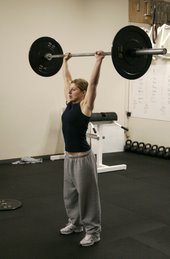
It’s a beautiful sunny day in Seattle and in my neighborhood, that’s a lot like flicking on the fluorescents in a bar after last call. You know the moment when you realize that what might have looked like the romantic dancing of shadows are clearly a smattering of stains that are nothing short of miraculous so high on a wall and in patterns reminiscent of a crime scene. It’s also the first time you wonder too that a stray cigarette didn’t torch the place once you’ve calculating how much alcohol has soaked into the floor. You could cook a steak over the flames of the welcome mat alone but only after pausing first to thank God for shoes. Nobody needs to mention the startling way that bright-eyed charmers with porcelain complexions who converse lucidly turn into pasty-faced drunks with a crazy inability to focus once floodlit. Bartenders really should just flick on the lights throughout the night whenever someone tries to stumble out the door with anyone whose name they didn’t already know when they arrived. Consider it an intervention. Yes, it’s interesting that here on the Hill crazy people look crazier in bright sunlight but maybe that’s because those of us suddenly absorbed in the awkward and labored effort of a rusty Vitamin-D production are a starker contrast.
In the glare of summer sun, the infestation of bugs on a curbside rat* carcass outside one of Craig’s favorite Mexican restaurants looked more like a little beach party which made me wonder if I should rain down a cloud of spray-on sunscreen to keep the little buggers from sunburn. In light of that and every other now-evident dingy detail, I couldn’t help but wonder if this whole neighborhood could use a pressure washing in spite of it’s nearly constant dousing of rain. Can you imagine a whole street of people shivering and clinging to their fluffy hotel towels handed to them like Red Cross supplies after getting a hearty pressure-wash and a scrub from concerned soccer moms who carpooled over from their orderly cul de sacs on an emergency mission? I think Eastside moms would be happy to don pink lapel pins and do it as a fundraiser for breast cancer awareness. They’d get sponsored by other soccer moms with slightly busier schedules or allergic reactions to the mandatory latex gloves. Though it would be fun to watch, I’m reminded of my 1940’s bathroom fixtures with their shiny, slick coats long scoured away and realize that pressure washing wouldn’t bring back the luster. Personally, for the sake of the visual environment and knowing that I couldn’t blame the rain today, I wouldn’t have minded if one crisply dressed mom sorted out my bed head while I waited in line for coffee. I suspect they’d lob off the last four scraggly inches at the direction of my friend Josh who’d seize the opportunity to right a wrong. (I think it bothers him more than he’d say though what he said was, “you should cut this off” as he wagged a chunk of it at me distastefully. Maybe that actually does capture his level of 'bother'.)
I was instead distracted by a text message that read, “HA HA I JUST DID THE ON THE TOILET SQUAT POOP.” All-caps courtesy of the author. My reply was “Cleanly? Props either way but extra points for accuracy. Your descending colon is in love with you right now.” As I’ve mentioned, most people wander away from me at parties almost immediately in hopes of finding less horrifying conversation and a little nosh, what’s left is an assortment of characters that send text messages like the one above. This one in particular might require a little background:
I once dated a man who routinely stood on the toilet seat while making deposits because, as he said, modern toilets are designed for a deconditioned population who can’t squat fully. As a result, our colons are straining at awkward angles that don’t accommodate our mechanics. Fascinating. You can see why I was smitten. I may have shared this fact with a number of people and at some point many of them lost my number and stopped returning calls. The few that are left obviously have the kind of social schedules that allow time for excremental experimentation and the sharing of results.
Since I read Fiber Menace, I’ve been particularly distracted by the end results of my nutrition. My concern for input has been entirely eclipsed by my focus on output. This, as you can see, is something I’ve been sharing with friends of like interest which you’d assume would be nobody. But unlike this particular gentleman with scientific leanings, I’m unwilling to dedicate any of my efforts in the direction of bathroom circus acts given the incident in a Bed and Breakfast outside London when I was six. After a long drive, my sister beat me to the bathroom and neglected to mention that the toilet seat was unanchored. She must have calculated my results with glee knowing that, at my height, my feet would barely touch the floor and she waiting until I started my urgent business to fling the door open and watch my panic as the seat began to slide starboard while I tried to cling to the toilet paper holder. Amid the whir of a rapidly unfurling roll of paper, the result was a mid-stream Sit ‘n Spin experience that left me forever uncertain of toilet seat stability. Is it odd that uncertain footing is the only reason I find the concept of squatting on the toilet seat out of the question?
My efforts have been in other directions. I have been drinking a daily bottle of Kombucha which was a recommendation of Jennifer Adler, my favorite dietician, brewer of bone broths and apparent purveyor of concoctions. Kombucha as defined by Wikipedia is, "the Western name for sweetened tea or tisane that has been fermented using a macroscopic solid mass of microorganisms called a "kombucha colony," usually consisting principally of Acetobacter-species and yeast cultures." When I sent one of my clients, a long-time sufferer of psoriasis, to her she recommended that he drink a bottle a day. I decided that perhaps I could benefit from the good advice.
First it’s important to know that I chew yogurt and could never tolerate pulp in juice. I get confused by viscosity and texture so the floating nonsense in kombucha throws me off. Frankly, I don’t consume anything with that consistency unless I’ve offended a waiter and, in those cases, I’m unaware of the unsolicited contribution. Now, there's not a lot of floaty nonsense but what exists is the kind of thing you're accustomed to spitting out not swallowing. When I notice the content, I suffer a moment of confusion and a desire to choke.
"Each time the kombucha culture goes through the fermentation process, it creates one new "mushroom" layer, or zoogleal mat, which will form atop of the original. After three or four layers have built up, the tea will become sour and taste somewhat like sour cider." Zoogleal mat - I'm not sure I could have made up a word that sounded that gross and it brings me right back to visions of the welcome mat in the aforementioned bar scene. My only contribution would be to change gleal to gleet. Um, sorry - moving on.
When I sipped a bottle disdainfully during an at-home training session with a client, I felt compelled to share about it mainly because she was beginning to take the look on my face personally. She later tried a bottle and described the smell as ‘vile.’ And her pronunciation was so uniquely British. Her inflexion captured a true repugnance that doesn’t translate with an American accent. In fact, I suggest that you go back and read ‘vile’ again with a British accent in order to capture the mood here. In New England, we can generate the same intensity with the expression, “it smells like ass.” We’re a classy bunch. (By the way, using that phrase in the Northwest will make you even less popular. Most Seattleites will at very least claim they lack a frame of reference.)
Wikipedia blames it on the acetic acid. "Acetic acid, which gives Kombucha that 'kick' to its smell and taste" says the post and I say 'kick' is entirely subjective and depends on who's doing the kicking and whether or not you saw it coming.
*Regarding the rat, I’m sure it just paused to peek in the windows and curse the heartburn that keeps it away from enjoying a good burrito before it died from arteries clogged by the General Tsos’s Chicken served next door. But keep in mind, Craig, that Tabasco kills the taste of all things e. coli but sadly not the symptoms. Drink the cheap tequila – the aftermath can be blamed on a hangover
Showing posts with label Nutrition. Show all posts
Showing posts with label Nutrition. Show all posts
Monday, May 19, 2008
Saturday, June 16, 2007
Blocked by Take-Out
"All signs point to 2,000 calories . . . " or so says the Magic 8-Ball which is considerably cheaper and a more nostalgic way to flat-out guess caloric intake than calling the psychic hotline. All that conjuring and cyphering in an attempt to get meaningless numbers to put in a meal tracker so I will get off your back. And what's with my "so how's your nutrition . . . .?" question as if this is going to be a breezy conversation about weather and work. I know me, and frankly I'm a pain in the ass with that.
Chris is a client whose daily grind is fun and games while exercise grinds him down. He works for a gaming company and is just trying to enjoy a slice of life and maybe an occasional slice of pie without a whole lotta lip from me but, already on meds for his blood sugar, it's not a subject I'm going to drop unless his insulin level does. So, Chris, how's your nutrition?
He's made a commitment before but he's stymied by Styrofoam - yep, it's take-out that takes him out. The lure of 'it's possible' to balance take out meals clouds the fact that 'it's improbable' that it will be done successfully. Serving size and unknown additives makes caloric consumption anybody's guess. Any earnest attempt by Chris is still horoscope fodder fueled by wishful thinking.
If Chris could cook, he wouldn't eat out so much but it's not something thirty-somethings just start doing - where do you jump in? For starters, might I suggest the shallow end of the pool? Easy, familiar food. If this transition felt like a lifestyle and not a life sentence, this wouldn't be such a heartbreaking change. I suggested making his favorite take-out meals at home so that we could get a more trustworthy answer when it comes to caloric consumption and serving size. I'll find solutions to his favorite foods and he'll prepare them and give me feedback. Oh, and you too. Now you get to ask him the dreaded question. All together now, "So, Chris . . . . "
As I'm sure you gathered from his name, Chris is Korean. His first choice for a recipe revamp is Korean Barbecue Beef. This is a bit misleading because there's very little revamping necessary other than Chris' commute home which no longer routes through the parking lot of his favorite Korean restaurant. The recipes follow, as well as some tips:
Zone Primer
Balance your macronutrients. Really, do I have to say more? Don't let me get rolling on this. We could be here until Chris starves to death.
Hardware
To determine serving size, it's best if you have a digital scale. Put a bowl on the scale, zero it out, place the entire recipe in the bowl, determine the weight, divide by the serving size, and then weigh out your portion on your plate. You can do this with multiple side-dishes, just zero out your plate on the scale each time before you add your next item.
Bulgogi (Korean Barbecued Beef)
3 tablespoons soy sauce
1 tablespoon sesame oil
1 tablespoon sesame seeds
1 clove garlic, minced
1 teaspoon white sugar
1/2 teaspoon salt
1/2 teaspoon ground black pepper
1 pound beef top sirloin, thinly sliced
1 carrot, julienned
1 green onion, chopped
1/2 yellow onion, chopped
DIRECTIONS
In a large resealable plastic bag, combine soy sauce, sesame oil, sesame seeds, garlic, sugar, salt, black pepper, and MSG. Place beef, carrots, and onions in the bag; seal, and shake to coat the vegetables and beef with the sauce. Refrigerate for at least 2 1/2 hours. I prefer to marinate mine overnight.
Preheat an outdoor grill for high heat. Remove meat and vegetables from marinade, and place on a large sheet of aluminum foil; seal. Discard marinade.
Place on grill, and cook for 15 to 20 minutes, or to desired doneness.
What I would do: Buy the best quality meat - lean and grass fed - and marinade it longer. Lean meat will be a bit tougher but the vinegar will break down the muscle fiber if you give it a little time. Also, I would replace the sugar with Agave Nectar and 1/2 the amount - though, frankly, a teaspoon of sugar may be too meager to worry about. Also, I'd use Tamari instead of soy sauce - same taste, less sodium. This isn't a lot of marinade, so I would increase the garlic and rub the meat with the garlic and onion, salt and pepper the meat directly and let it sit a bit before I put it in the bag with the other ingredients.
NUTRITION INFORMATION
Servings Per Recipe: 4
Amount Per Serving
Calories: 243
Total Fat: 15g
Cholesterol: 61mg
Sodium: 1058mg
Total Carbs: 6.3g (Count this as a Block and you'll see why later)
Dietary Fiber: 1.3g
Protein: 20.2g (That's Roughly 3 Blocks if you're zoning)
Korean Cucumber Salad
1/4 cup white vinegar
1/4 teaspoon black pepper
1/2 teaspoon red pepper flakes
1 teaspoon vegetable oil
2 tablespoons sesame seeds
1 cucumber, thinly sliced
1/2 green onion, sliced
1/2 carrot, julienned
DIRECTIONS
In a medium bowl, stir together vinegar, black pepper, and red pepper flakes.
Heat oil in a saucepan over medium-high heat. Stir in sesame seeds, and reduce heat to medium. Cook until seeds are brown, about 5 minutes. Remove seeds with a slotted spoon, and stir into vinegar mixture. Mix in cucumber, green onions, and carrot. Cover, and refrigerate at least 5 minutes
NUTRITION INFORMATION
Servings Per Recipe: 2
Amount Per Serving
Calories: 96
Total Fat: 7g
Cholesterol: 0mg
Sodium: 9mg
Total Carbs: 7.3g (Count this as one block)
Dietary Fiber: 2.7g
Protein: 2.6g
What I would do: Don't toast the sesame seeds in oil - ESPECIALLY in vegetable oil. Carve a few grams of fat out of the salad since the BBQ is already a bit high if your following zone proportions, and save yourself from potential rancidity. If you really want toasted sesame seeds, toast them dry on a cookie sheet under the broiler but watch them closely.
Korean Squash
5 medium zucchini, sliced
1 bunch green onions, sliced
1/4 cup white vinegar
1/2 cup soy sauce
1/4 cup water
2 tablespoons sugar
2 tablespoons sesame oil
ground black pepper to taste
DIRECTIONS
In a large pot, combine the zucchini, green onions, vinegar, soy sauce, water, sugar and sesame oil. Season with black pepper. Mix to blend, then cover and cook over medium heat until zucchini is tender, about 20 minutes.
What I would do: Cut the sesame oil in half. As I mentioned before, you're already running hot on fats with the BBQ. Same goes for the sugar. Substitute with Agave or honey.
NUTRITION INFORMATION
Servings Per Recipe: 6
Amount Per Serving
Calories: 103
Total Fat: 4.9g
Cholesterol: 0mg
Sodium: 1230mg
Total Carbs: 13.5g (Count this as one block - the other carbs were shy of the 9 grams, this is heavy so it will even out a bit)
Dietary Fiber: 3.1g
Protein: 3.7g
This turns out to be a 3 block meal. That's pretty tiny for a male, but the fat content is a bit high and I wouldn't want to up the serving size of beef for that reason. I'm going to ignore the fat blocks for now because our goal is to improve his habits first. Plus, I'm convinced that this is a vast improvement on what he's been eating.
I would consider having some fat-free yogurt for desert after the meal. It's a 1-1 protein/carb block and it will make up the difference in the meal without adding more fat.
Chris is a client whose daily grind is fun and games while exercise grinds him down. He works for a gaming company and is just trying to enjoy a slice of life and maybe an occasional slice of pie without a whole lotta lip from me but, already on meds for his blood sugar, it's not a subject I'm going to drop unless his insulin level does. So, Chris, how's your nutrition?
He's made a commitment before but he's stymied by Styrofoam - yep, it's take-out that takes him out. The lure of 'it's possible' to balance take out meals clouds the fact that 'it's improbable' that it will be done successfully. Serving size and unknown additives makes caloric consumption anybody's guess. Any earnest attempt by Chris is still horoscope fodder fueled by wishful thinking.
If Chris could cook, he wouldn't eat out so much but it's not something thirty-somethings just start doing - where do you jump in? For starters, might I suggest the shallow end of the pool? Easy, familiar food. If this transition felt like a lifestyle and not a life sentence, this wouldn't be such a heartbreaking change. I suggested making his favorite take-out meals at home so that we could get a more trustworthy answer when it comes to caloric consumption and serving size. I'll find solutions to his favorite foods and he'll prepare them and give me feedback. Oh, and you too. Now you get to ask him the dreaded question. All together now, "So, Chris . . . . "
As I'm sure you gathered from his name, Chris is Korean. His first choice for a recipe revamp is Korean Barbecue Beef. This is a bit misleading because there's very little revamping necessary other than Chris' commute home which no longer routes through the parking lot of his favorite Korean restaurant. The recipes follow, as well as some tips:
Zone Primer
Balance your macronutrients. Really, do I have to say more? Don't let me get rolling on this. We could be here until Chris starves to death.
Hardware
To determine serving size, it's best if you have a digital scale. Put a bowl on the scale, zero it out, place the entire recipe in the bowl, determine the weight, divide by the serving size, and then weigh out your portion on your plate. You can do this with multiple side-dishes, just zero out your plate on the scale each time before you add your next item.
Bulgogi (Korean Barbecued Beef)
3 tablespoons soy sauce
1 tablespoon sesame oil
1 tablespoon sesame seeds
1 clove garlic, minced
1 teaspoon white sugar
1/2 teaspoon salt
1/2 teaspoon ground black pepper
1 pound beef top sirloin, thinly sliced
1 carrot, julienned
1 green onion, chopped
1/2 yellow onion, chopped
DIRECTIONS
In a large resealable plastic bag, combine soy sauce, sesame oil, sesame seeds, garlic, sugar, salt, black pepper, and MSG. Place beef, carrots, and onions in the bag; seal, and shake to coat the vegetables and beef with the sauce. Refrigerate for at least 2 1/2 hours. I prefer to marinate mine overnight.
Preheat an outdoor grill for high heat. Remove meat and vegetables from marinade, and place on a large sheet of aluminum foil; seal. Discard marinade.
Place on grill, and cook for 15 to 20 minutes, or to desired doneness.
What I would do: Buy the best quality meat - lean and grass fed - and marinade it longer. Lean meat will be a bit tougher but the vinegar will break down the muscle fiber if you give it a little time. Also, I would replace the sugar with Agave Nectar and 1/2 the amount - though, frankly, a teaspoon of sugar may be too meager to worry about. Also, I'd use Tamari instead of soy sauce - same taste, less sodium. This isn't a lot of marinade, so I would increase the garlic and rub the meat with the garlic and onion, salt and pepper the meat directly and let it sit a bit before I put it in the bag with the other ingredients.
NUTRITION INFORMATION
Servings Per Recipe: 4
Amount Per Serving
Calories: 243
Total Fat: 15g
Cholesterol: 61mg
Sodium: 1058mg
Total Carbs: 6.3g (Count this as a Block and you'll see why later)
Dietary Fiber: 1.3g
Protein: 20.2g (That's Roughly 3 Blocks if you're zoning)
Korean Cucumber Salad
1/4 cup white vinegar
1/4 teaspoon black pepper
1/2 teaspoon red pepper flakes
1 teaspoon vegetable oil
2 tablespoons sesame seeds
1 cucumber, thinly sliced
1/2 green onion, sliced
1/2 carrot, julienned
DIRECTIONS
In a medium bowl, stir together vinegar, black pepper, and red pepper flakes.
Heat oil in a saucepan over medium-high heat. Stir in sesame seeds, and reduce heat to medium. Cook until seeds are brown, about 5 minutes. Remove seeds with a slotted spoon, and stir into vinegar mixture. Mix in cucumber, green onions, and carrot. Cover, and refrigerate at least 5 minutes
NUTRITION INFORMATION
Servings Per Recipe: 2
Amount Per Serving
Calories: 96
Total Fat: 7g
Cholesterol: 0mg
Sodium: 9mg
Total Carbs: 7.3g (Count this as one block)
Dietary Fiber: 2.7g
Protein: 2.6g
What I would do: Don't toast the sesame seeds in oil - ESPECIALLY in vegetable oil. Carve a few grams of fat out of the salad since the BBQ is already a bit high if your following zone proportions, and save yourself from potential rancidity. If you really want toasted sesame seeds, toast them dry on a cookie sheet under the broiler but watch them closely.
Korean Squash
5 medium zucchini, sliced
1 bunch green onions, sliced
1/4 cup white vinegar
1/2 cup soy sauce
1/4 cup water
2 tablespoons sugar
2 tablespoons sesame oil
ground black pepper to taste
DIRECTIONS
In a large pot, combine the zucchini, green onions, vinegar, soy sauce, water, sugar and sesame oil. Season with black pepper. Mix to blend, then cover and cook over medium heat until zucchini is tender, about 20 minutes.
What I would do: Cut the sesame oil in half. As I mentioned before, you're already running hot on fats with the BBQ. Same goes for the sugar. Substitute with Agave or honey.
NUTRITION INFORMATION
Servings Per Recipe: 6
Amount Per Serving
Calories: 103
Total Fat: 4.9g
Cholesterol: 0mg
Sodium: 1230mg
Total Carbs: 13.5g (Count this as one block - the other carbs were shy of the 9 grams, this is heavy so it will even out a bit)
Dietary Fiber: 3.1g
Protein: 3.7g
This turns out to be a 3 block meal. That's pretty tiny for a male, but the fat content is a bit high and I wouldn't want to up the serving size of beef for that reason. I'm going to ignore the fat blocks for now because our goal is to improve his habits first. Plus, I'm convinced that this is a vast improvement on what he's been eating.
I would consider having some fat-free yogurt for desert after the meal. It's a 1-1 protein/carb block and it will make up the difference in the meal without adding more fat.


Wednesday, June 6, 2007
. . . . and shoved in
Never stray from the walkway in flip flops. It sounds like an ancient proverb of sorts, but in my neighborhood where the postage-stamp park behind my apartment building is just fragrant enough to cause every dog within radius to reflexively hunch it's hindquarters and leave an offering to the God of Defecation, it's wise to tread lightly. And honestly, their worship timetable matches Mecca until even the best canine noses get hopelessly confused by all the markings (human noses are impacted differently). Every now and then I see some Newb* sprawled out in the fertilized grass of septic central and I wince (these are the same fresh-faces who haven't learned to Tow-Zone jockey the illegal parking after the last meter maid rolls through).
Given my convenient location - except when I'm downwind - I wonder if I should get a dog but then, I can't even keep intestinal flora alive and for me, healthy bacteria would make a better pet. Think Sea Monkeys. Certainly a more useful infestation than the one that is now on the bottom of my soiled flip flop - so much for the walkway theory.
My digestive tract has always been an underperformer. For some reason, boyfriends have always been intrigued and eager to tinker with my transit times (we're not talking bus schedules here - and, if we were, let's just say I'm on a Sunday schedule). Frankly, unless you know me REALLY well, you should stay out of my medicine cabinet and my bowels. That said, it is true that the root of most of my maladies begins in my gut. I had ulcers when I was 21.
Since I've always suspected that the stress of various food allergies caused a bacterial genocide, I often call in reinforcements in the form of probiotics. And, no, I have no idea if this actually works. I may be sending the little buggers in to be slaughtered D-Day style by my angry intestinal mucosa or to die of exposure while stuck to the gum I swallowed in elementary school. I spent the last week trying to answer that question but the studies provided little help other than a darn good sleep aid. I believe the way I explained it to Stacey, my sister, was that it allowed me to effectively drool between my keyboard keys and perhaps nullify my warranty.
I think 'Protection against gastrointestinal diseases--present facts and future developments' from Kasper H of University Hospital, Clinic of Internal Medicine, Würzburg, Germany, sums it all up rather nicely:
"The importance of the intestinal microflora and, more specifically its composition, in physiological and pathophysiological processes in the human GIT is becoming more evident. Examples of such processes are translocation, the production and resorption of endotoxins, immune-modulation, and colonic motility. This leads to new possibilities for prevention and therapy of diseases, mainly of the gastrointestinal organs. New discoveries are specifically related to the beneficial effects of lactobacilli which have been discussed for decades. It is possible to increase the proportion of lactobacilli in the gastrointestinal microflora by consumption of fermented dairy products or by oral administration of specific non-digestible substrates such as oligofructose. Results from clinical trials and scientific studies have confirmed the preventive and therapeutic effects of selected strains of lactobacilli in viral- and bacterial-induced intestinal infections, in positively influencing immunological parameters, in normalizing the intestinal motility, and in inhibiting metabolic events in the gut lumen which promote colonic carcinogenesis. Nevertheless, there are still unresolved issues which can only be answered by well designed and well controlled clinical trials.
Cleared that right up, huh? You're welcome. No, clearly the 'experts' aren't clear at all. Maddening.
I started the research knowing that I didn't know anything. What I concluded was neither does anyone else. I was a little disappointed because I believed 'they' did 'studies that show' and that all the positive affects had been proven. I just needed to look polished and point Vanna White style at all the pretty data. Apparently, my intestinal tract is Area 51 - all kinds of folks think something is going on there but the 'proof' is often just nutty speculation - or not.
And then in walks Sara and inspiration. Sara is my secret handshake client. Back in the day when I worked for Corporate Colossus, I couldn't give any useful advice or information even when my trigger finger was damn itchy. I 'pssst' Sara a couple of times only to discover that she was well-informed and a secret nutritional ninja. I remembered that we talked about making coconut milk kefir - purposely fermented, not like the compost I'm making in my fridge - and that she was giving it to her kids. Gasp!
So, our conversation went something like this. Well, exactly like this, I e-mailed her the questions:
CG: I'm writing a blog entry about probiotics and prebiotics and I need to know more about your Coconut Milk Kefir. What made you decide to try this?
S: So technically it is young coconut water, not the oh-so-sexy coconut milk. I started it mostly because it was recommended by the nutritionist we were seeing in Philly as a way to get probiotics into my kids easily w/o dairy. Also because I love scary food experiments.
CG: Why did you start feeding it to your kids?
CG: What were your expectations and how did you manage to dodge CPS?
S: My expectation was that the kids would enjoy the experience of making it, groove on the taste of it and consume about 1 cup/day. Didn’t work. They loved the experiment, hated the taste of it. I found it hard to kefir the young coconut milk, either it was bitter and harsh or really dull and yeasty tasting. Sadly, I do have a printout by my front door with the title “The Social Worker at Your Door: 10 helpful hints.”
CG: What have you found that works?
S: Jennifer Adler suggested kefiring juice. I hesitated a bit because I don’t feed my kids juice – you know the drill – too much sugar too many empty calories. But, we tried it and the kids LOVE it. So now I easily get the probiotics into them. I think (without any science behind me) that the bacteria feed on the sugar thereby reduce the total sugar buzz. Using juice instead of the coconut water reduces the lovely nutritional impact, but it has removed the power struggle. And because I’m focused on a holistically healthy child, I’m choosing slightly reduced nutrition over emotional scarring!
CG: What differences do/did you notice when this was/is part of your diet?
S: Honestly, we throw so many changes at Theo at once it is hard to say what real changes this one thing makes. That said, I think it has improved Theo’s digestion. In the risk of TMI, for him this means less time spent on the toilet both passing stool and feeling “finished” and less smelly poop. Two giant bonuses when you’re in the bathroom at Costco.
CG: How did you go about selected an OTC brand?
S: I bought the brand that the Body Ecology site sells because I didn’t want to spend tons of time researching just the right kefir granules along with the 20 other changes I was trying to make. Their info says you can use one packet for about 7 batches. I started kefiring juice with one of those packets and we’ve done about 15 batches so far. I’ve also split it twice to share with friends.
CG: Have you ever been in a Turkish Prison (you're married to Bill - don't say you don't know 'Airplane' references)?
S: You know how they say you marry your father? My dad, my brother, my high school sweetheart and my hubby all LOVE Airplane. Subsequently, I have a mental block to all such references and I no longer hear any of them. La la la la la la la la.
*Newb: short for 'newbie'. This vocab word courtesy of my newphew, Dustin. He never called me a Newb of course because, as aunts go, I'm pretty cool. But maybe he just humors me 'cause he knows I'll sweep a leg all Karate Kid style.
Given my convenient location - except when I'm downwind - I wonder if I should get a dog but then, I can't even keep intestinal flora alive and for me, healthy bacteria would make a better pet. Think Sea Monkeys. Certainly a more useful infestation than the one that is now on the bottom of my soiled flip flop - so much for the walkway theory.
My digestive tract has always been an underperformer. For some reason, boyfriends have always been intrigued and eager to tinker with my transit times (we're not talking bus schedules here - and, if we were, let's just say I'm on a Sunday schedule). Frankly, unless you know me REALLY well, you should stay out of my medicine cabinet and my bowels. That said, it is true that the root of most of my maladies begins in my gut. I had ulcers when I was 21.
Since I've always suspected that the stress of various food allergies caused a bacterial genocide, I often call in reinforcements in the form of probiotics. And, no, I have no idea if this actually works. I may be sending the little buggers in to be slaughtered D-Day style by my angry intestinal mucosa or to die of exposure while stuck to the gum I swallowed in elementary school. I spent the last week trying to answer that question but the studies provided little help other than a darn good sleep aid. I believe the way I explained it to Stacey, my sister, was that it allowed me to effectively drool between my keyboard keys and perhaps nullify my warranty.
I think 'Protection against gastrointestinal diseases--present facts and future developments' from Kasper H of University Hospital, Clinic of Internal Medicine, Würzburg, Germany, sums it all up rather nicely:
"The importance of the intestinal microflora and, more specifically its composition, in physiological and pathophysiological processes in the human GIT is becoming more evident. Examples of such processes are translocation, the production and resorption of endotoxins, immune-modulation, and colonic motility. This leads to new possibilities for prevention and therapy of diseases, mainly of the gastrointestinal organs. New discoveries are specifically related to the beneficial effects of lactobacilli which have been discussed for decades. It is possible to increase the proportion of lactobacilli in the gastrointestinal microflora by consumption of fermented dairy products or by oral administration of specific non-digestible substrates such as oligofructose. Results from clinical trials and scientific studies have confirmed the preventive and therapeutic effects of selected strains of lactobacilli in viral- and bacterial-induced intestinal infections, in positively influencing immunological parameters, in normalizing the intestinal motility, and in inhibiting metabolic events in the gut lumen which promote colonic carcinogenesis. Nevertheless, there are still unresolved issues which can only be answered by well designed and well controlled clinical trials.
Cleared that right up, huh? You're welcome. No, clearly the 'experts' aren't clear at all. Maddening.
I started the research knowing that I didn't know anything. What I concluded was neither does anyone else. I was a little disappointed because I believed 'they' did 'studies that show' and that all the positive affects had been proven. I just needed to look polished and point Vanna White style at all the pretty data. Apparently, my intestinal tract is Area 51 - all kinds of folks think something is going on there but the 'proof' is often just nutty speculation - or not.
And then in walks Sara and inspiration. Sara is my secret handshake client. Back in the day when I worked for Corporate Colossus, I couldn't give any useful advice or information even when my trigger finger was damn itchy. I 'pssst' Sara a couple of times only to discover that she was well-informed and a secret nutritional ninja. I remembered that we talked about making coconut milk kefir - purposely fermented, not like the compost I'm making in my fridge - and that she was giving it to her kids. Gasp!
So, our conversation went something like this. Well, exactly like this, I e-mailed her the questions:
CG: I'm writing a blog entry about probiotics and prebiotics and I need to know more about your Coconut Milk Kefir. What made you decide to try this?
S: So technically it is young coconut water, not the oh-so-sexy coconut milk. I started it mostly because it was recommended by the nutritionist we were seeing in Philly as a way to get probiotics into my kids easily w/o dairy. Also because I love scary food experiments.
CG: Why did you start feeding it to your kids?
S: Started feeding it to Theo because he has a brain injury and food allergies. So if the belly is considered the second brain, we obviously need to heal his gut. Both for his physical health, but also to support healing his brain. Most people agree that his food “allergies” (which are technically sensitivities because they don’t include an immediate and severe reaction) are a symptom of a leaky gut. The Body Ecology Diet (which is the best book I’ve seen at putting all the random nutrition theories and factoids together into one almost workable theory) suggests a variety of steps to heal the gut
Eliminate reactive foods until the body can handle them
Eliminate hard to digest foods (think wheat, soy, dairy)
Enhance digestion using food combining (so various digestive enzymes don’t essentially cancel each other out), adding in appropriate digestive enzymes and actually taking small bites and chewing the food!
Crowd out the bad bacteria and yeast by adding in lots and lots of the good
Stop feeding the bad belly bugs (no sugar, no half digested foods making it into the intestines)
CG: What were your expectations and how did you manage to dodge CPS?
S: My expectation was that the kids would enjoy the experience of making it, groove on the taste of it and consume about 1 cup/day. Didn’t work. They loved the experiment, hated the taste of it. I found it hard to kefir the young coconut milk, either it was bitter and harsh or really dull and yeasty tasting. Sadly, I do have a printout by my front door with the title “The Social Worker at Your Door: 10 helpful hints.”
CG: What have you found that works?
S: Jennifer Adler suggested kefiring juice. I hesitated a bit because I don’t feed my kids juice – you know the drill – too much sugar too many empty calories. But, we tried it and the kids LOVE it. So now I easily get the probiotics into them. I think (without any science behind me) that the bacteria feed on the sugar thereby reduce the total sugar buzz. Using juice instead of the coconut water reduces the lovely nutritional impact, but it has removed the power struggle. And because I’m focused on a holistically healthy child, I’m choosing slightly reduced nutrition over emotional scarring!
CG: What differences do/did you notice when this was/is part of your diet?
S: Honestly, we throw so many changes at Theo at once it is hard to say what real changes this one thing makes. That said, I think it has improved Theo’s digestion. In the risk of TMI, for him this means less time spent on the toilet both passing stool and feeling “finished” and less smelly poop. Two giant bonuses when you’re in the bathroom at Costco.
CG: How did you go about selected an OTC brand?
S: I bought the brand that the Body Ecology site sells because I didn’t want to spend tons of time researching just the right kefir granules along with the 20 other changes I was trying to make. Their info says you can use one packet for about 7 batches. I started kefiring juice with one of those packets and we’ve done about 15 batches so far. I’ve also split it twice to share with friends.
CG: Have you ever been in a Turkish Prison (you're married to Bill - don't say you don't know 'Airplane' references)?
S: You know how they say you marry your father? My dad, my brother, my high school sweetheart and my hubby all LOVE Airplane. Subsequently, I have a mental block to all such references and I no longer hear any of them. La la la la la la la la.
*Newb: short for 'newbie'. This vocab word courtesy of my newphew, Dustin. He never called me a Newb of course because, as aunts go, I'm pretty cool. But maybe he just humors me 'cause he knows I'll sweep a leg all Karate Kid style.
Wednesday, May 30, 2007
Health at what cost?
Red peppers are sometimes $4 a pound and I wonder if I get a plot of land on a Chilean farm with that. The third world labor that picked the peppers gets paid less money seasonally and now I'm being asked to pay someones yearly income to garnish a salad. In my own American sort of way, I too am laborer class so I pass on the pricey peck of pretty peppers and console myself on the way out with a stop at Starbucks. The Americano was $2.68 or in more relevant terms, the cost of more than half a pound of peppers. I'm not sure how that worked in my head, but it's clear I blew my savings and exploited some other countries labor force. It's a thought that barely pokes through my happy caffeination and I'm sure my evil ways would sadden me more if I wasn't pleasantly buzzed.
Clearly not a math major, my shopping cart veers of course from a grey matter brown out at the sheer wattage demand of every word problem. 'If the train leaves Chili at 4:23pm with 6 tons of peppers and you're making a salad . . . . ' Shudder. There's unit price, serving size and budget to consider along with satiety, nutrient density and macronutrient composition. And do we even mention movements towards local produce and the benefits - politically and nutritionally - of getting to know your food in a neighborly sort of way? It's no wonder people pass on the peppers - eating healthy feels expensive well before you even get through the complicated logarithms and the time invested in researching your sources. But in my mind, peppers felt expensive but the coffee didn't. So what's in a word problem?
The Big Picture
If you're going to get all cerebral about it, the cost of good organic food could be considered life and/or lifestyle insurance of sorts. With no Aflac-ing duck to quack about it, good food keeps you healthy so if you want to count the savings in OTC cold meds, trips to the doctor (subsequent convalescent video rentals) and vitamins and supplements to prop up your artificial diet you may already be seeing a savings.
Also, on a superficial level, skin care products, expensive shampoos, dermatology visits, weight loss products . . . . squawking about pepper prices suddenly seems a bit feeble in comparison to how quickly cheaper food could outflank your wallet on every budgetary front.
When my nutrition takes a nosedive, I have a charming case of dermatitis as well as Rosacea to content with. I'm assuming the dermatologist has a costly prescription for that. And, since Rosacea is caused by the same bacteria as stomach ulcers, bring on the designer probiotics! That should set me back nicely. Few doctors would chase me out of the office yelling, "stop eating wheat, dumbass!" I save myself the co-pay and yell it at myself.
Budgetary Shifts
A long time ago I shifted my 'Entertainment Budget' and invested the money in regular meals. Think about the wisdom of eating marginal food all week and splurging on a meal or two in a restaurant over the weekend. Instead I just sit alone at home on a Friday night and bask in my nutritional superiority - it's a hoot. No, silly, I go out with friends and elect not to chew in sync with them - a practice that feels weird when I make it weird or when I'm with weird friends who can't relate to someone who isn't chewing.
I actually started doing that because I was intermittent fasting, which I still do, but it served the greater purpose of saving money on meals out. I would often steer friends away from mutual chewing anyway because I would end up paying money to make nutritional compromises I wasn't crazy about making. But in the evening, when it's time for them to eat, there's not much I can do about the lure of dining out other than tag along. Seriously, nobody cares and occasionally I indulge but it's with far less frequency than most of my friends.
On Friday night I went out with a bunch of gym pals to a favorite Indian restaurant and when I didn't order, Clarence looked at Harlan and said, "Why doesn't Heather ever eat when we go out." Harlan waived him off with a, "It's some sort of fasting thing." That's the extent of the average ruckus my choices create. Curious for a moment but not weird - I'm weird for so many more interesting reasons.
Some Assembly Required
If you're going to eat better food on the cheap, you'll so have to sous chef. Get over any dicey slicing phobias, because Cascadian Farms and Amy's Organic is a lousy investment. Your sweat equity is way cheaper so commence to mincing. Plus industrial organic is only marginally more nutritious than conventionally grown so your money doesn't buy much more than convenience and certainly not flavor. It also adds to the slippery slope of 'Organic' food suppliers getting sloppier and sloppier about quality guidelines to meet demand. Be a savvy consumer and if you're going to pay extra money, put it where it has an impact.
Satiety is Your Financial Friend
Four slices of pizza - 1,088 total calories - go down easy especially if you grease the works with several pints of Guinness Extra Stout (238 calories in a pint). The same cannot be said for the caloric equivalent of 155 cups of spinach which I wouldn't attempt even on a dare and regardless of whether my judgement was impaired by several pints of Guinness. Even the 23 oz of chicken breast wouldn't fly.
If you're eating clean food, you will eat less in total calories and volume unless of course your jaw is an ultramarathon competitor and you have the tenacity to work your way through buckets of salad on a whim. Somethings gotta give and it will be the time investment, the lack of interest or the capacity that cuts your meal short. Without the 'must eat more' mindset that comes with a craving, the desire to snack, nosh and nibble subsides leaving you with three squares of reasonably sized and reasonable priced meals.
Clearly not a math major, my shopping cart veers of course from a grey matter brown out at the sheer wattage demand of every word problem. 'If the train leaves Chili at 4:23pm with 6 tons of peppers and you're making a salad . . . . ' Shudder. There's unit price, serving size and budget to consider along with satiety, nutrient density and macronutrient composition. And do we even mention movements towards local produce and the benefits - politically and nutritionally - of getting to know your food in a neighborly sort of way? It's no wonder people pass on the peppers - eating healthy feels expensive well before you even get through the complicated logarithms and the time invested in researching your sources. But in my mind, peppers felt expensive but the coffee didn't. So what's in a word problem?
The Big Picture
If you're going to get all cerebral about it, the cost of good organic food could be considered life and/or lifestyle insurance of sorts. With no Aflac-ing duck to quack about it, good food keeps you healthy so if you want to count the savings in OTC cold meds, trips to the doctor (subsequent convalescent video rentals) and vitamins and supplements to prop up your artificial diet you may already be seeing a savings.
Also, on a superficial level, skin care products, expensive shampoos, dermatology visits, weight loss products . . . . squawking about pepper prices suddenly seems a bit feeble in comparison to how quickly cheaper food could outflank your wallet on every budgetary front.
When my nutrition takes a nosedive, I have a charming case of dermatitis as well as Rosacea to content with. I'm assuming the dermatologist has a costly prescription for that. And, since Rosacea is caused by the same bacteria as stomach ulcers, bring on the designer probiotics! That should set me back nicely. Few doctors would chase me out of the office yelling, "stop eating wheat, dumbass!" I save myself the co-pay and yell it at myself.
Budgetary Shifts
A long time ago I shifted my 'Entertainment Budget' and invested the money in regular meals. Think about the wisdom of eating marginal food all week and splurging on a meal or two in a restaurant over the weekend. Instead I just sit alone at home on a Friday night and bask in my nutritional superiority - it's a hoot. No, silly, I go out with friends and elect not to chew in sync with them - a practice that feels weird when I make it weird or when I'm with weird friends who can't relate to someone who isn't chewing.
I actually started doing that because I was intermittent fasting, which I still do, but it served the greater purpose of saving money on meals out. I would often steer friends away from mutual chewing anyway because I would end up paying money to make nutritional compromises I wasn't crazy about making. But in the evening, when it's time for them to eat, there's not much I can do about the lure of dining out other than tag along. Seriously, nobody cares and occasionally I indulge but it's with far less frequency than most of my friends.
On Friday night I went out with a bunch of gym pals to a favorite Indian restaurant and when I didn't order, Clarence looked at Harlan and said, "Why doesn't Heather ever eat when we go out." Harlan waived him off with a, "It's some sort of fasting thing." That's the extent of the average ruckus my choices create. Curious for a moment but not weird - I'm weird for so many more interesting reasons.
Some Assembly Required
If you're going to eat better food on the cheap, you'll so have to sous chef. Get over any dicey slicing phobias, because Cascadian Farms and Amy's Organic is a lousy investment. Your sweat equity is way cheaper so commence to mincing. Plus industrial organic is only marginally more nutritious than conventionally grown so your money doesn't buy much more than convenience and certainly not flavor. It also adds to the slippery slope of 'Organic' food suppliers getting sloppier and sloppier about quality guidelines to meet demand. Be a savvy consumer and if you're going to pay extra money, put it where it has an impact.
Satiety is Your Financial Friend
Four slices of pizza - 1,088 total calories - go down easy especially if you grease the works with several pints of Guinness Extra Stout (238 calories in a pint). The same cannot be said for the caloric equivalent of 155 cups of spinach which I wouldn't attempt even on a dare and regardless of whether my judgement was impaired by several pints of Guinness. Even the 23 oz of chicken breast wouldn't fly.
If you're eating clean food, you will eat less in total calories and volume unless of course your jaw is an ultramarathon competitor and you have the tenacity to work your way through buckets of salad on a whim. Somethings gotta give and it will be the time investment, the lack of interest or the capacity that cuts your meal short. Without the 'must eat more' mindset that comes with a craving, the desire to snack, nosh and nibble subsides leaving you with three squares of reasonably sized and reasonable priced meals.
Your eyes are only bigger than your stomach when they're clouded by sugar and the hallucinatory insulin spike which makes processed food less economical when you can eat it in bulk. The 'bag of this', 'pint of that' binge is seldom factored into a budget because most people don't even want to think about it. I've never even bothered to calculate how much money I spend on coffee because then I might have to do something about it. In my mind, coffee is bumped over to an entertainment expense with some illogical mutterings about, "well, some people will spend $8 on a movie . . . ." Kinda not the same thing.
An Example
"So it looks like we're saving about $200/month - but we're also not eating out as much, less booze, and more homemade lunches and dinners," said Jill, a client and a good little eater these days. Chad and Jill weren't eating too badly to start but their nutrition required a little tweaking. The budget wasn't as much of a concern and they hadn't fully calculated the difference (thanks, Jill, for taking the time to do that for me). The lifestyle changes happened naturally because some of what they were up to wasn't consistent with their overall goal. Though Chad always ate a variety of veggies, his portions have changed substantially and he's eating much more vegetable matter to balance his meals. It would be here that things would start to look costly but not when you work the numbers.
Tuesday, May 8, 2007
Getting a Grip
Oh, sure, my times on 'Angie' might look impressive but it doesn't reflect the number of times I slide off the pull-up bar. If I didn't have the tenacity of Wile E. Coyote (not to mention the colorful expletives of Yosemite Sam), Angie would own me. It's my grip.
You'd think I'd have 'crushing hands of death', too. After all, I have five years of experience grappling almost exclusively with a Gi - exceptions for spontaneous bouts in the lobby of CrossFit Eastside where the absence of hand-holds is much less troubling than the rug burn and the bruising from geometric miscalculations around furniture (a challenge for me even if I wasn't in mid-air at velocity).
when I read the following study* initially, it took me about three days before it registered that this data might help. First, the study was done on a 60-plus population which didn't exactly scream 'max pull-ups' at first. For another thing, researchers happened to test grip strength as a measure but wasn't specifically looking for grip improvement. I think I was driving mid-span on the 520 bridge when it dawned on me that it doesn't matter if the study was specific to grip strength as long as it improves it and that a layer of dust that thick on my dashboard could actually affect gas mileage as well as grow wild, organic root vegetables.
"For the current study, researchers analyzed data from the InCHIANTI study, which evaluated factors contributing to the decline of mobility in late life. The study involved 976 people who were 65 years and older from two towns in the Chianti area of Italy. The mean age of participants was 74.8 years. Data were collected from Sept. 1998 through March 2000. "
Again, I was thrown by the age group initially but since the study revealed that a Vitamin D deficiency may be the culprit, anyone is susceptible especially those of us living under near constant cloud cover who don't drink fortified milk or juice. As I discussed this article with my friend Tamim, a native of Kenya, he pointed out that some forms of rickets are still diagnosed in children from his country simply by grip strength (They may do that here but the code number on your bill makes it sound far more complex and the procedure costs a few hundred dollars ).
The researchers found that physical performance and grip strength were about five to 10 percent lower in those who had low levels of vitamin D. After looking at other variables that could influence the results, such as body mass index, physical activity, the season of the year, mental abilities, health conditions and anemia, the results held true.
Five to ten percent matters when your 75 pull-ups deep and your callouses are about to mutiny and drop you to the ground.
The study wasn't designed to evaluate whether low vitamin D levels actually cause poor physical performance, but the results suggest the need for additional research in this area, said Houston. She said vitamin D plays an important role in muscle function, so it is plausible that low levels of the vitamin could result in lower muscle strength and physical performance." But it's also possible that those with poor physical performance had less exposure to sunlight resulting in low vitamin D levels," she said.
This is one of the few times I've seen a research paper acknowledge the possibility that the results could be backward engineered.
Current recommendations call for people from age 50 to 69 to get 400 international units (IUs) of vitamin D per day and for those over age 70 to get 600 IUs. Many researchers, however, suggest that higher amounts may be needed." Higher amounts of vitamin D may be needed for the preservation of muscle strength and physical function as well as other conditions such as cancer prevention," said Houston. "The current recommendations are based primarily on vitamin D's effects on bone health."
The Linus Pauling Institute makes a similar recommendation for dosage though many experts agree the number is conservative. The issue ultimately is toxicity.
Vitamin D toxicity (hypervitaminosis D) induces abnormally high serum calcium levels (hypercalcemia), which could result in bone loss, kidney stones, and calcification of organs like the heart and kidneys if untreated over a long period of time. When the Food and Nutrition Board of the Institute of Medicine established the tolerable upper intake level (UL) for vitamin D, published studies that adequately documented the lowest intake levels of vitamin D that induced hypercalcemia were very limited. Because the consequences of hypercalcemia are severe, the Food and Nutrition Board established a very conservative UL of 2,000 IU/day (50 mcg/day) for children and adults. Research published since 1997 suggests that the UL for adults is likely overly conservative and that vitamin D toxicity is very unlikely in healthy people at intake levels lower than 10,000 IU/day. Vitamin D toxicity has not been observed to result from sun exposure.
Obviously avoiding toxicity would be as easy as ensuring that all your RDA was met basking in beautiful sunlight but it's unlikely that our jobs or our weather patterns will allow that to happen any day soon and certainly not consistently. The Linus Pauling institute goes on the explain the recommendations for sunlight to provide an optimum dosage naturally:
Sunlight
Sunlight exposure provides most people with their entire vitamin D requirement. Children and young adults who spend a short time outside two or three times a week will generally synthesize all the vitamin D they need. The elderly have diminished capacity to synthesize vitamin D from sunlight exposure and frequently use sunscreen or protective clothing in order to prevent skin cancer and sun damage. The application of sunscreen with an SPF factor of 8 reduces production of vitamin D by 95%. In latitudes around 40 degrees north or 40 degrees south (Boston is 42 degrees north), there is insufficient UVB radiation available for vitamin D synthesis from November to early March. Ten degrees farther north or south (Edmonton, Canada) this “vitamin D winter” extends from mid October to mid March. According to Dr. Michael Holick, as little as 5-10 minutes of sun exposure on arms and legs or face and arms three times weekly between 11:00 am and 2:00 pm during the spring, summer, and fall at 42 degrees latitude should provide a light-skinned individual with adequate vitamin D and allow for storage of any excess for use during the winter with minimal risk of skin damage.
Situated in those sparsely sunlit latitudes, sits Scandanavian mothers who dutifully force feed spoonfuls of cod liver oil to their brood as if they naturally knew that Vitamin D would be in short supply over the winter. Cod liver oil is one of the very few dietery sources other than unnaturally fortified foods.
Food Sources
Vitamin D is found naturally in very few foods. Foods containing vitamin D include some fatty fish (mackerel, salmon, sardines), fish liver oils, and eggs from hens that have been fed vitamin D. In the U.S., milk and infant formula are fortified with vitamin D so that they contain 400 IU (10 mcg) per quart. However, other dairy products such as cheese and yogurt are not always fortified with vitamin D. Some cereals and breads are also fortified with vitamin D. Recently, orange juice fortified with vitamin D has been made available in the U.S. Accurate estimates of average dietary intakes of vitamin D are difficult because of the high variability of the vitamin D content of fortified foods. Vitamin D contents of some vitamin D-rich foods are listed in the table below in both international units (IU) and micrograms (mcg). For more information on the nutrient content of foods you eat frequently, search the USDA food composition database.
One last curious point had me thinking of my winters here in Seattle. I've often found it harder to avoid the munchies here during fowl weather and I assumed it was boredom, comfort or some other psychological silliness I inflict on myself sometimes. The following statement, also from Linus Pauling, had me curious if perhaps the lower Vitamin D may be at the root of the issue.
The vitamin D receptor is expressed by insulin secreting cells of the pancreas, and the results of animal studies suggest that 1,25(OH)2D plays a role in insulin secretion under conditions of increased insulin demand. Limited data in humans suggests that insufficient vitamin D levels may have an adverse effect on insulin secretion and glucose tolerance in type 2 diabetes (noninsulin-dependent diabetes mellitus; NIDDM) (10-12).
Hmmmmm.
*The research is supported by the Italian Ministry of Health and in part by the National Institute on Aging. Co-researchers were Gary Schwartz, Ph.D., and Stephen Kritchevsky, Ph.D., both with Wake Forest, Matteo Cesari, M.D., Ph.D, with the University of Florida, Luigi Ferrucci, M.D., Ph.D., with the National Institute on Aging, Dario Maggio, M.D., and Antonio Cherubini, M.D., Ph.D, both with the University of Perugia in Italy, Mary Ann Johnson, Ph.D., with the University of Georgia, and Benedetta Bartali, R.D., with Cornell University.
You'd think I'd have 'crushing hands of death', too. After all, I have five years of experience grappling almost exclusively with a Gi - exceptions for spontaneous bouts in the lobby of CrossFit Eastside where the absence of hand-holds is much less troubling than the rug burn and the bruising from geometric miscalculations around furniture (a challenge for me even if I wasn't in mid-air at velocity).
when I read the following study* initially, it took me about three days before it registered that this data might help. First, the study was done on a 60-plus population which didn't exactly scream 'max pull-ups' at first. For another thing, researchers happened to test grip strength as a measure but wasn't specifically looking for grip improvement. I think I was driving mid-span on the 520 bridge when it dawned on me that it doesn't matter if the study was specific to grip strength as long as it improves it and that a layer of dust that thick on my dashboard could actually affect gas mileage as well as grow wild, organic root vegetables.
"For the current study, researchers analyzed data from the InCHIANTI study, which evaluated factors contributing to the decline of mobility in late life. The study involved 976 people who were 65 years and older from two towns in the Chianti area of Italy. The mean age of participants was 74.8 years. Data were collected from Sept. 1998 through March 2000. "
Again, I was thrown by the age group initially but since the study revealed that a Vitamin D deficiency may be the culprit, anyone is susceptible especially those of us living under near constant cloud cover who don't drink fortified milk or juice. As I discussed this article with my friend Tamim, a native of Kenya, he pointed out that some forms of rickets are still diagnosed in children from his country simply by grip strength (They may do that here but the code number on your bill makes it sound far more complex and the procedure costs a few hundred dollars ).
The researchers found that physical performance and grip strength were about five to 10 percent lower in those who had low levels of vitamin D. After looking at other variables that could influence the results, such as body mass index, physical activity, the season of the year, mental abilities, health conditions and anemia, the results held true.
Five to ten percent matters when your 75 pull-ups deep and your callouses are about to mutiny and drop you to the ground.
The study wasn't designed to evaluate whether low vitamin D levels actually cause poor physical performance, but the results suggest the need for additional research in this area, said Houston. She said vitamin D plays an important role in muscle function, so it is plausible that low levels of the vitamin could result in lower muscle strength and physical performance." But it's also possible that those with poor physical performance had less exposure to sunlight resulting in low vitamin D levels," she said.
This is one of the few times I've seen a research paper acknowledge the possibility that the results could be backward engineered.
Current recommendations call for people from age 50 to 69 to get 400 international units (IUs) of vitamin D per day and for those over age 70 to get 600 IUs. Many researchers, however, suggest that higher amounts may be needed." Higher amounts of vitamin D may be needed for the preservation of muscle strength and physical function as well as other conditions such as cancer prevention," said Houston. "The current recommendations are based primarily on vitamin D's effects on bone health."
The Linus Pauling Institute makes a similar recommendation for dosage though many experts agree the number is conservative. The issue ultimately is toxicity.
Vitamin D toxicity (hypervitaminosis D) induces abnormally high serum calcium levels (hypercalcemia), which could result in bone loss, kidney stones, and calcification of organs like the heart and kidneys if untreated over a long period of time. When the Food and Nutrition Board of the Institute of Medicine established the tolerable upper intake level (UL) for vitamin D, published studies that adequately documented the lowest intake levels of vitamin D that induced hypercalcemia were very limited. Because the consequences of hypercalcemia are severe, the Food and Nutrition Board established a very conservative UL of 2,000 IU/day (50 mcg/day) for children and adults. Research published since 1997 suggests that the UL for adults is likely overly conservative and that vitamin D toxicity is very unlikely in healthy people at intake levels lower than 10,000 IU/day. Vitamin D toxicity has not been observed to result from sun exposure.
Obviously avoiding toxicity would be as easy as ensuring that all your RDA was met basking in beautiful sunlight but it's unlikely that our jobs or our weather patterns will allow that to happen any day soon and certainly not consistently. The Linus Pauling institute goes on the explain the recommendations for sunlight to provide an optimum dosage naturally:
Sunlight
Sunlight exposure provides most people with their entire vitamin D requirement. Children and young adults who spend a short time outside two or three times a week will generally synthesize all the vitamin D they need. The elderly have diminished capacity to synthesize vitamin D from sunlight exposure and frequently use sunscreen or protective clothing in order to prevent skin cancer and sun damage. The application of sunscreen with an SPF factor of 8 reduces production of vitamin D by 95%. In latitudes around 40 degrees north or 40 degrees south (Boston is 42 degrees north), there is insufficient UVB radiation available for vitamin D synthesis from November to early March. Ten degrees farther north or south (Edmonton, Canada) this “vitamin D winter” extends from mid October to mid March. According to Dr. Michael Holick, as little as 5-10 minutes of sun exposure on arms and legs or face and arms three times weekly between 11:00 am and 2:00 pm during the spring, summer, and fall at 42 degrees latitude should provide a light-skinned individual with adequate vitamin D and allow for storage of any excess for use during the winter with minimal risk of skin damage.
Situated in those sparsely sunlit latitudes, sits Scandanavian mothers who dutifully force feed spoonfuls of cod liver oil to their brood as if they naturally knew that Vitamin D would be in short supply over the winter. Cod liver oil is one of the very few dietery sources other than unnaturally fortified foods.
Food Sources
Vitamin D is found naturally in very few foods. Foods containing vitamin D include some fatty fish (mackerel, salmon, sardines), fish liver oils, and eggs from hens that have been fed vitamin D. In the U.S., milk and infant formula are fortified with vitamin D so that they contain 400 IU (10 mcg) per quart. However, other dairy products such as cheese and yogurt are not always fortified with vitamin D. Some cereals and breads are also fortified with vitamin D. Recently, orange juice fortified with vitamin D has been made available in the U.S. Accurate estimates of average dietary intakes of vitamin D are difficult because of the high variability of the vitamin D content of fortified foods. Vitamin D contents of some vitamin D-rich foods are listed in the table below in both international units (IU) and micrograms (mcg). For more information on the nutrient content of foods you eat frequently, search the USDA food composition database.
One last curious point had me thinking of my winters here in Seattle. I've often found it harder to avoid the munchies here during fowl weather and I assumed it was boredom, comfort or some other psychological silliness I inflict on myself sometimes. The following statement, also from Linus Pauling, had me curious if perhaps the lower Vitamin D may be at the root of the issue.
The vitamin D receptor is expressed by insulin secreting cells of the pancreas, and the results of animal studies suggest that 1,25(OH)2D plays a role in insulin secretion under conditions of increased insulin demand. Limited data in humans suggests that insufficient vitamin D levels may have an adverse effect on insulin secretion and glucose tolerance in type 2 diabetes (noninsulin-dependent diabetes mellitus; NIDDM) (10-12).
Hmmmmm.
*The research is supported by the Italian Ministry of Health and in part by the National Institute on Aging. Co-researchers were Gary Schwartz, Ph.D., and Stephen Kritchevsky, Ph.D., both with Wake Forest, Matteo Cesari, M.D., Ph.D, with the University of Florida, Luigi Ferrucci, M.D., Ph.D., with the National Institute on Aging, Dario Maggio, M.D., and Antonio Cherubini, M.D., Ph.D, both with the University of Perugia in Italy, Mary Ann Johnson, Ph.D., with the University of Georgia, and Benedetta Bartali, R.D., with Cornell University.
Thursday, April 19, 2007
For Nutrient Absorption, Fat Matters
I think it's remarkable that people have always managed to pair foods instinctively. When vegetarians attempt to eat complete proteins, it's necessary to pair foods with different amino acid profiles in order t0 achieve this. It sounds complex until you realize that most of the pairings have already been done effectively in agrarian based cuisines. Beans and rice are a perfect example as is peanut butter and wheat bread. In our family, it was toast with peanut butter and bacon - we were good little protein eaters from the get-go though we obviously had questionable palates.
Though we seldom ponder what makes us put foods together other than taste, there does exist some deeper reasoning. Even your standard salad is engineered with precision. Well, it was until we introduced fat-free salad dressing. Considering that most of the vitamins and phytonutrients in fruits and vegetables are fat soluble, the oil is crucial to absorption.
Last year Tara Parker-Poe demonstrated how important fat is to nutrient absorption in an article she wrote for the Personal Journal section of the Wall Street Journal (Tuesday, Aug. 8, 2006). Dr. Eades, of Protein Power fame, excerpted her article on his site and saved everybody the subscription price to the Wall Street Journal. Now I have paired down Dr. Eades commentary to save you a little extra time:
"[Tara Parker-Poe] reports on a study of the nutrient absorption from fat-free salsa with and without extra fat. For the salsa study, 11 test subjects were first given a meal of fat-free salsa and some bread. Another day, the same meal was offered, but this time avocado was added to the salsa, boosting the fat content of the meal to about 37% of calories. In checking blood levels of the test subjects, researchers found that the men and women absorbed an average of 4.4 times as much lycopene and 2.6 times as much beta carotene when the avocado was added to the food."
"A study using salad with and without avocado was even more impressive. The first salad included romaine lettuce, baby spinach, shredded carrots and a no-fat dressing, resulting in a fat content of about 2%. After avocado was added, the fat content jumped to 42%. When the salad was consumed with the avocado, the 11 test subjects absorbed seven times the lutein and nearly 18 times the beta carotene. Lutein is a carotenoid found in many green vegetables and is linked with improved eye and heart health. "
"Another study done a few years ago at Ohio State University showed that salad dressing with oil brings out the best in a salad when compared to no-fat, low-fat dressings. When the seven test subjects consumed salads with no-fat dressing, the absorption of carotenoids was negligible. When a reduced-fat dressing was used, the added fat led to a higher absorption of alpha and beta carotene and lycopene. But there was substantially more absorption of the healthful compounds when full-fat dressing was used."
Researchers, who are often taken aback when fat does anything good, were astounded.
Study researchers say they were not only surprised by how much more absorption occurred with the avocado added to the meal, but they were taken aback at how little the body absorbed when no fats were present. “The fact that so little was absorbed when no fat was there was just amazing to me,” says Dr. Clinton.
Though we seldom ponder what makes us put foods together other than taste, there does exist some deeper reasoning. Even your standard salad is engineered with precision. Well, it was until we introduced fat-free salad dressing. Considering that most of the vitamins and phytonutrients in fruits and vegetables are fat soluble, the oil is crucial to absorption.
Last year Tara Parker-Poe demonstrated how important fat is to nutrient absorption in an article she wrote for the Personal Journal section of the Wall Street Journal (Tuesday, Aug. 8, 2006). Dr. Eades, of Protein Power fame, excerpted her article on his site and saved everybody the subscription price to the Wall Street Journal. Now I have paired down Dr. Eades commentary to save you a little extra time:
"[Tara Parker-Poe] reports on a study of the nutrient absorption from fat-free salsa with and without extra fat. For the salsa study, 11 test subjects were first given a meal of fat-free salsa and some bread. Another day, the same meal was offered, but this time avocado was added to the salsa, boosting the fat content of the meal to about 37% of calories. In checking blood levels of the test subjects, researchers found that the men and women absorbed an average of 4.4 times as much lycopene and 2.6 times as much beta carotene when the avocado was added to the food."
"A study using salad with and without avocado was even more impressive. The first salad included romaine lettuce, baby spinach, shredded carrots and a no-fat dressing, resulting in a fat content of about 2%. After avocado was added, the fat content jumped to 42%. When the salad was consumed with the avocado, the 11 test subjects absorbed seven times the lutein and nearly 18 times the beta carotene. Lutein is a carotenoid found in many green vegetables and is linked with improved eye and heart health. "
"Another study done a few years ago at Ohio State University showed that salad dressing with oil brings out the best in a salad when compared to no-fat, low-fat dressings. When the seven test subjects consumed salads with no-fat dressing, the absorption of carotenoids was negligible. When a reduced-fat dressing was used, the added fat led to a higher absorption of alpha and beta carotene and lycopene. But there was substantially more absorption of the healthful compounds when full-fat dressing was used."
Researchers, who are often taken aback when fat does anything good, were astounded.
Study researchers say they were not only surprised by how much more absorption occurred with the avocado added to the meal, but they were taken aback at how little the body absorbed when no fats were present. “The fact that so little was absorbed when no fat was there was just amazing to me,” says Dr. Clinton.
Saturday, April 14, 2007
Fish Food
It would appear as if I converted my Y2K bunker to a bird flu bunker simply by changing the title on the cabinet door except that my dozen cans of sardines have no dust on them. That's more than can be said for most of the rest of my apartment. It's because I just restocked what for me is often a dietary staple.
Except for the fact that anyone living or working in an establishment that isn't expected to be firebombed at any moment, won't allow you to open a can of sardines within a 50 foot radius, they're a darn convenient protein source. I love them, but even I open the pull-tab on the can as if I'm defusing a bomb for fear I'll be funked by fish juices for the rest of the day.
Compromise is often made for the sake of convenience but in the case of sardines, you get quality protein, omega-3, calcium and a fraction of the mercury in tuna fish. At my body weight, sardines contain 10% of my weekly allowable dose of mercury while a standard can of tuna has 140%! It's good that tuna is that toxic, though. It's the hope of expiring from the toxicity before I have to try and gag down that last dry, metalic bite that keeps me going. Maybe sharp lids offer the same promise - like wearing cyonide capsules in case of capture.
It's the fact that I can get better quality in a nearly indestructable form that thrills me. Most things in the front of my pack double as some sort of battering ram or medieval shield defending me against broadsword attacks. You'd think so when you see the unrecognizeable and clearly pulverized items that come out of there. It's nice to know that my protein source won't get mauled before I liberate it. We could all use those kinds of features in our food sometimes. (by the way, the can doubles as a weapon if you can peg an attacker in the forehead and then spray said villian with fish juice for easy identification in a line-up. It's like a super hero only weird).
As long as I keep a stock of sardines and some dried fruit handy, I never have to worry about getting an emergency meal that's reasonably nutritous. In that way, I can avoid a lot of preservatives and nitrates found in deli meat, prepackaged hardboiled eggs or any number of other convenience foods that can conveniently undermine your health.
Except for the fact that anyone living or working in an establishment that isn't expected to be firebombed at any moment, won't allow you to open a can of sardines within a 50 foot radius, they're a darn convenient protein source. I love them, but even I open the pull-tab on the can as if I'm defusing a bomb for fear I'll be funked by fish juices for the rest of the day.
Compromise is often made for the sake of convenience but in the case of sardines, you get quality protein, omega-3, calcium and a fraction of the mercury in tuna fish. At my body weight, sardines contain 10% of my weekly allowable dose of mercury while a standard can of tuna has 140%! It's good that tuna is that toxic, though. It's the hope of expiring from the toxicity before I have to try and gag down that last dry, metalic bite that keeps me going. Maybe sharp lids offer the same promise - like wearing cyonide capsules in case of capture.
It's the fact that I can get better quality in a nearly indestructable form that thrills me. Most things in the front of my pack double as some sort of battering ram or medieval shield defending me against broadsword attacks. You'd think so when you see the unrecognizeable and clearly pulverized items that come out of there. It's nice to know that my protein source won't get mauled before I liberate it. We could all use those kinds of features in our food sometimes. (by the way, the can doubles as a weapon if you can peg an attacker in the forehead and then spray said villian with fish juice for easy identification in a line-up. It's like a super hero only weird).
As long as I keep a stock of sardines and some dried fruit handy, I never have to worry about getting an emergency meal that's reasonably nutritous. In that way, I can avoid a lot of preservatives and nitrates found in deli meat, prepackaged hardboiled eggs or any number of other convenience foods that can conveniently undermine your health.
Sunday, April 8, 2007
Changing It Up
If I didn't constantly wear white Hanes premium tank tops purchased on sale and in bulk at Target, I might be re-engineering my spring wardrobe and packing away winter clothes right about now. In my defense, nothing cripples your fashion sense faster than wearing a uniform every day for eight years straight. Nobody does that other than comic strip characters without suffering a stunting fashion PTSD. I'm in a support group now with Peppermint Patty but then I digress - perhaps habitually.
Even if my tank tops are perennial, there are dietary and fitness habits that are not. Every season I need to reconsider scheduling, food availability and how I'd prefer to spend my time. In the spring, I notice that I get antsy in the gym and I plan ways to duck out early. I also notice that standing at the stove while the sun shines feels like a task assigned by an evil stepsister without even the faint hope of rescue and cool shoes (which leads to me to the question: if you dance and consequently sweat in glass slippers, do they fog over and if so, um, ick! but again, I digress)
Local and Lavish
Last year, I tried to do an 'Eat Local/Eat Seasonal' thing until the fall when I think I suffered some sort of Yam/squash toxicity and nearly went mad. Roasted root vegetables - shudder. Even now I hurry past the isle in Whole Foods and try not to look a yam in the eyes. It's a noble cause and worth trying when it's not nearly as painful and there's a little bit of choice. It's beneficial because you'll be eating food at its nutritional peak, it will be cheaper, you'll cut down on the cost and waste of fossil fuels by avoiding vegetables that clearly vacation more extravagantly than you, and you'll support local farmers who are wise enough to grow something other than corn and soy even when it's not subsidized.
A couple in Vancouver wrote the '100 mile diet' about this very topic and you can join the movement. Why, you ask? Because it gives some direction and purpose to your nutrition at a point BEFORE you start zone blocking Frozen Mudslides and calling it good. You can always fake an injury at the end of the summer and quit before you get bum rushed by beets.
Salad Solutions
Summer salads look phenomenal because they're nutrient dense, full of variety, and a perfect excuse to slop everything into one bowl like pet food and pretend it's not because you're lazy. And there's good reason to eat raw food other than lack of time or focus. Like the '100 Mile Diet' there's a whole movement (ok, that's kind of a potty humor pun, my apologies) associated with raw foods and their health benefits. The article "Enzymes: The Difference Between Raw and Cooked Foods," by Emily Kane ND explains:
Although the enzyme-producing organs continue to function over the entire course of a healthy life, they eventually wear down, especially with the "standard American diet" (which, in the naturopathic community, we call SAD.) Dr. Francis M. Pottenger's nutritional studies have shown that a regular diet of cooked or canned foods causes the development of chronic degenerative diseases and premature mortality. Professor Jackson of the Dept. of Anatomy, University of Minnesota, has shown that rats fed for 135 days on an 80 percent cooked food diet resulted in an increase pancreatic weight of 20 to 30 percent. What this means is that the pancreas is forced to work harder with a cooked food diet. "Although the body can manufacture enzymes, the more you use your enzyme potential, the faster it is going to run out..." wrote Dr. Edward Howell, who pioneered research in the benefits of food enzymes. A youth of 18 may produce amylase levels 30 times greater than those of an 85 year old person.
Enzymes are what make seeds sprout. Sprouts are, in fact, one of the richest sources of enzymes. Other excellent sources are papaya, pineapple and the aspergillus plant. Science cannot duplicate enzymes, because they are the stuff of life itself. Only raw food has functional "live" enzymes. Therefore the liver, pancreas, stomach and intestines must come to the rescue and furnish the requisite digestive enzymes to the individual nourished solely on a cooked food diet. This extra activity can be detrimental to health and longevity because it continually taxes the reserve energy of our organs. Furthermore, cooked food passes through the digestive tract more slowly than raw food, tends to ferment, and throws poisons back into the body. Colon cancer is second only to lung cancer as a killer in America and is related, in various ways, to eating enzyme-deficient cooked food.
Prolonged intestinal toxemia may manifest the following symptoms: Fatigue, nervousness, gasto-intestinal discomfort, recurrent infections, skin eruptions, hormonal disturbances, headaches, arthritis, sciatica, low back pain, allergies, asthma, eye, ear, nose and throat disorders, cardiac irregularities, pathological changes in the breasts, and so forth. All of these conditions have been shown to respond to therapy directed to correcting the bowel toxemia. Of course, it is important to have fiber in the diet to scrub the colon walls clean, but even more important are the enzymes which will allow proper digestion and assimilation of vital nutrients. Cooked food often passes into the bloodstream as unsplit molecules that are deposited, as waste, in various parts of the body. If it is a fat molecule we know it as cholesterol plaque; if calcium, arthritis; if sugar, diabetes. White blood cell count rises dramatically after ingesting a meal of canned or cooked foods ("digestive leukocytosis"). Elevated WBCs are correlated to bacterial infection, inflammation and depressed immunity. Raw foods do not produce this reaction. All raw foods contain exactly the right enzymes required to split every last molecule into the basic building blocks of metabolism: Amino acids (from protein), glucose (from complex carbohydrates) and essential fatty acids (from unsaturated vegetable fats).
Go Outside, duh!
Don't skip your workout entirely, just make room for it outside. It seems like an obvious answer but you'd be surprised how many people take an either/or approach to this issue. Just because you don't like biking or running doesn't mean you can't find a worthwhile activity that will keep you active.
I have a kettlebell that spends most of it's winter behind my driver's seat potentially killing my gas mileage and doing funky things to my tire alignment and wear patterns. In the summer, I bring it to Greenlake. It would be worth doing even if there wasn't a secret joy in swinging it all Hagar the Horrible style to the alarm of soccer mom's with strollers and yippy dogs who swallow the impending yap when they realize I might level them. It would be better if I could glare all crazy-like.
Whatever you decide to do, create some intentionality around it. The biggest issue with a change in seasons is the lack of a plan which switches you into coast mode. As a result, everything unravels and you forget why (though arguably, that could have something to do with the poorly zone-blocked Mud Slides . . . .)
Even if my tank tops are perennial, there are dietary and fitness habits that are not. Every season I need to reconsider scheduling, food availability and how I'd prefer to spend my time. In the spring, I notice that I get antsy in the gym and I plan ways to duck out early. I also notice that standing at the stove while the sun shines feels like a task assigned by an evil stepsister without even the faint hope of rescue and cool shoes (which leads to me to the question: if you dance and consequently sweat in glass slippers, do they fog over and if so, um, ick! but again, I digress)
Local and Lavish
Last year, I tried to do an 'Eat Local/Eat Seasonal' thing until the fall when I think I suffered some sort of Yam/squash toxicity and nearly went mad. Roasted root vegetables - shudder. Even now I hurry past the isle in Whole Foods and try not to look a yam in the eyes. It's a noble cause and worth trying when it's not nearly as painful and there's a little bit of choice. It's beneficial because you'll be eating food at its nutritional peak, it will be cheaper, you'll cut down on the cost and waste of fossil fuels by avoiding vegetables that clearly vacation more extravagantly than you, and you'll support local farmers who are wise enough to grow something other than corn and soy even when it's not subsidized.
A couple in Vancouver wrote the '100 mile diet' about this very topic and you can join the movement. Why, you ask? Because it gives some direction and purpose to your nutrition at a point BEFORE you start zone blocking Frozen Mudslides and calling it good. You can always fake an injury at the end of the summer and quit before you get bum rushed by beets.
Salad Solutions
Summer salads look phenomenal because they're nutrient dense, full of variety, and a perfect excuse to slop everything into one bowl like pet food and pretend it's not because you're lazy. And there's good reason to eat raw food other than lack of time or focus. Like the '100 Mile Diet' there's a whole movement (ok, that's kind of a potty humor pun, my apologies) associated with raw foods and their health benefits. The article "Enzymes: The Difference Between Raw and Cooked Foods," by Emily Kane ND explains:
Although the enzyme-producing organs continue to function over the entire course of a healthy life, they eventually wear down, especially with the "standard American diet" (which, in the naturopathic community, we call SAD.) Dr. Francis M. Pottenger's nutritional studies have shown that a regular diet of cooked or canned foods causes the development of chronic degenerative diseases and premature mortality. Professor Jackson of the Dept. of Anatomy, University of Minnesota, has shown that rats fed for 135 days on an 80 percent cooked food diet resulted in an increase pancreatic weight of 20 to 30 percent. What this means is that the pancreas is forced to work harder with a cooked food diet. "Although the body can manufacture enzymes, the more you use your enzyme potential, the faster it is going to run out..." wrote Dr. Edward Howell, who pioneered research in the benefits of food enzymes. A youth of 18 may produce amylase levels 30 times greater than those of an 85 year old person.
Enzymes are what make seeds sprout. Sprouts are, in fact, one of the richest sources of enzymes. Other excellent sources are papaya, pineapple and the aspergillus plant. Science cannot duplicate enzymes, because they are the stuff of life itself. Only raw food has functional "live" enzymes. Therefore the liver, pancreas, stomach and intestines must come to the rescue and furnish the requisite digestive enzymes to the individual nourished solely on a cooked food diet. This extra activity can be detrimental to health and longevity because it continually taxes the reserve energy of our organs. Furthermore, cooked food passes through the digestive tract more slowly than raw food, tends to ferment, and throws poisons back into the body. Colon cancer is second only to lung cancer as a killer in America and is related, in various ways, to eating enzyme-deficient cooked food.
Prolonged intestinal toxemia may manifest the following symptoms: Fatigue, nervousness, gasto-intestinal discomfort, recurrent infections, skin eruptions, hormonal disturbances, headaches, arthritis, sciatica, low back pain, allergies, asthma, eye, ear, nose and throat disorders, cardiac irregularities, pathological changes in the breasts, and so forth. All of these conditions have been shown to respond to therapy directed to correcting the bowel toxemia. Of course, it is important to have fiber in the diet to scrub the colon walls clean, but even more important are the enzymes which will allow proper digestion and assimilation of vital nutrients. Cooked food often passes into the bloodstream as unsplit molecules that are deposited, as waste, in various parts of the body. If it is a fat molecule we know it as cholesterol plaque; if calcium, arthritis; if sugar, diabetes. White blood cell count rises dramatically after ingesting a meal of canned or cooked foods ("digestive leukocytosis"). Elevated WBCs are correlated to bacterial infection, inflammation and depressed immunity. Raw foods do not produce this reaction. All raw foods contain exactly the right enzymes required to split every last molecule into the basic building blocks of metabolism: Amino acids (from protein), glucose (from complex carbohydrates) and essential fatty acids (from unsaturated vegetable fats).
Go Outside, duh!
Don't skip your workout entirely, just make room for it outside. It seems like an obvious answer but you'd be surprised how many people take an either/or approach to this issue. Just because you don't like biking or running doesn't mean you can't find a worthwhile activity that will keep you active.
I have a kettlebell that spends most of it's winter behind my driver's seat potentially killing my gas mileage and doing funky things to my tire alignment and wear patterns. In the summer, I bring it to Greenlake. It would be worth doing even if there wasn't a secret joy in swinging it all Hagar the Horrible style to the alarm of soccer mom's with strollers and yippy dogs who swallow the impending yap when they realize I might level them. It would be better if I could glare all crazy-like.
Whatever you decide to do, create some intentionality around it. The biggest issue with a change in seasons is the lack of a plan which switches you into coast mode. As a result, everything unravels and you forget why (though arguably, that could have something to do with the poorly zone-blocked Mud Slides . . . .)
Monday, March 12, 2007
Maybe You Should Eat Real Food
If I didn't make it clear in the last post why supplementation is confusing, check out this excerpt from T-Nation:
Nutritional Crime of the Century
by TC
There are a few people or groups you just don't screw with. You don't want to piss off the mob, the Klan, or the Crips, and you sure as hell don't want to make fun of Kim Jong Il's haircut.
But the aforementioned pale in comparison when it comes to the vindictive nature of most nutritional scientists and certified dietitians. Okay, okay, I'm exaggerating, but these last two groups — and I guess, at least peripherally, I'm one of them — have screwed you up. Maybe it wasn't intentional, but you were screwed nonetheless.
I bet you can't even look at a piece of food without consciously or subconsciously agonizing over its alleged nutritional value, judging whether it contains the correct amount of fiber, the correct macronutrient ratio, life-giving vitamins, antioxidants, and fatty acids.
Oh, you poor sap.
We puff out our chests and tell you what foods to eat, which vitamins to consume and which antioxidants (chortle) you should eat to fight cancer.
Then, then, when some study comes out, as it did last week in JAMA, that high doses of certain antioxidants (Vitamins A and E) could actually cause cancer, we cough nervously, clear our throats, and mutter something about the vagaries of science.
Take a look at the following list of chemicals, all anti-oxidants:
4-Terpineol, alanine, anethole, apigenin, ascorbic acid, beta carotene, caffeic acid, camphene, carvacrol, chlorogenic acid, chrysoeriol, eriodictyol, eugenol, ferulic acid, gallic acid, gamma-terpinene isocholorgenic acid, isoeugenol, isothymonin, kaempferol, labiatic acid, lauric acid, linalyl acetate, luteolin, methionine, myrcene, myristic acid, naringenin, oleanolic acid, p-coumoric acid, p-hydroxy-benzoic acid, palmitic acid, rosmarinic acid, selenium, tannin, thymol, tryptophan, ursolic acid, vanillic acid
Must be the label of the latest vitamin from the Centrum people, right? Nope, they're the antioxidants contained in a simple piece of thyme. (Thyme is the green crap your mother sprinkles on the rib roast to add flavor.)
And don't think for a second that thyme is some wonder food. I just used it as an example of how antioxidants are everywhere and how their number is legion.
Yet garden-variety nutritionists deem to study a handful of them here and there and make blanket recommendations. They ignore the possible complex interactions between them and other chemicals; they don't take into consideration that maybe the alleged healthful benefits of any one antioxidant might be dependent on being ingested simultaneously with one, two, or a dozen other antioxidants or phytochemicals. They ignore what I've publicly worried about for years, that taking large amounts might actually turn antioxidants into pro-oxidants — chemicals that actually cause free radicals to be formed.
What balls. What hubris.
Nutritional Crime of the Century
by TC
There are a few people or groups you just don't screw with. You don't want to piss off the mob, the Klan, or the Crips, and you sure as hell don't want to make fun of Kim Jong Il's haircut.
But the aforementioned pale in comparison when it comes to the vindictive nature of most nutritional scientists and certified dietitians. Okay, okay, I'm exaggerating, but these last two groups — and I guess, at least peripherally, I'm one of them — have screwed you up. Maybe it wasn't intentional, but you were screwed nonetheless.
I bet you can't even look at a piece of food without consciously or subconsciously agonizing over its alleged nutritional value, judging whether it contains the correct amount of fiber, the correct macronutrient ratio, life-giving vitamins, antioxidants, and fatty acids.
Oh, you poor sap.
We puff out our chests and tell you what foods to eat, which vitamins to consume and which antioxidants (chortle) you should eat to fight cancer.
Then, then, when some study comes out, as it did last week in JAMA, that high doses of certain antioxidants (Vitamins A and E) could actually cause cancer, we cough nervously, clear our throats, and mutter something about the vagaries of science.
Take a look at the following list of chemicals, all anti-oxidants:
4-Terpineol, alanine, anethole, apigenin, ascorbic acid, beta carotene, caffeic acid, camphene, carvacrol, chlorogenic acid, chrysoeriol, eriodictyol, eugenol, ferulic acid, gallic acid, gamma-terpinene isocholorgenic acid, isoeugenol, isothymonin, kaempferol, labiatic acid, lauric acid, linalyl acetate, luteolin, methionine, myrcene, myristic acid, naringenin, oleanolic acid, p-coumoric acid, p-hydroxy-benzoic acid, palmitic acid, rosmarinic acid, selenium, tannin, thymol, tryptophan, ursolic acid, vanillic acid
Must be the label of the latest vitamin from the Centrum people, right? Nope, they're the antioxidants contained in a simple piece of thyme. (Thyme is the green crap your mother sprinkles on the rib roast to add flavor.)
And don't think for a second that thyme is some wonder food. I just used it as an example of how antioxidants are everywhere and how their number is legion.
Yet garden-variety nutritionists deem to study a handful of them here and there and make blanket recommendations. They ignore the possible complex interactions between them and other chemicals; they don't take into consideration that maybe the alleged healthful benefits of any one antioxidant might be dependent on being ingested simultaneously with one, two, or a dozen other antioxidants or phytochemicals. They ignore what I've publicly worried about for years, that taking large amounts might actually turn antioxidants into pro-oxidants — chemicals that actually cause free radicals to be formed.
What balls. What hubris.
Supplemental Education
I just had a friend ask me to give him some advice about vitamins. I believe my answer went something like, "ask somebody smarter." Vitamins are the technological gadgetry of nutrition. If you check out for a bit, you get passed by and before you know it you're standing in the vitamin isle as if you've just upgraded technology and encountered a new operating system. I imagine there's some low-tech equivalent to the frantic mouse-clicking panic that happens when you suddenly realize you have no idea what you're doing. I gave him a mouse-clicking response and threw a lateral to PCC or Whole Foods nutrition (excuse me, Whole Body) department.
The following article from PT on the Net illustrates the point. Though I agree with some of the following, I disagree with parts of it. And there will continue to be contradictions and voodoo magic that accompanies this murky science. I still say, go visit the wizards of this dark art at PCC or Whole Foods and bring with you a healthy scepticism, common sense and a healing crystal. Oh, and eat better food.
Top 10 Supplement Facts You Probably Didn't Know
By Joe Cannon
Fact #1. Natural vitamins are not better than synthetic vitamins.
A common mistake made not only by the general public but also by many fitness professionals as well is that vitamins made in nature are superior to synthetically-made vitamins. The fact is that the chemical structure of synthetic and natural vitamins is basically identical. In other words, synthetic vitamin C looks the same as natural vitamin C. This means that your body cannot tell the difference between them. In some instances, the absorption of vitamins can differ between natural and synthetic, but this does not always favor natural vitamins. For example, folic acid, common among prenatal vitamins, is actually the synthetic version of the B vitamin, folate. Folic acid is used in prenatal vitamins because it is better absorbed.
Fact #2. - Censored for your safety
Please do not believe what you read about soy or cholesterol. There's more information on this to come, in the meantime, the above advice is an industry standard that should be ignored. Please remember that Soy is the #2 crop produced in this country and that the food industry is compelled to find markets for it. Link to the article if you want to read what the author had to say. I felt compelled to delete it because those of you who 'ticker' read, would have missed my objection.
Fact #3. Vitamins do not give us energy.
Some people may take massive amounts of vitamins (especially B vitamins) in the hopes that they will provide more pep to get through hectic days. This is why you often see a lot of B vitamins in energy drinks. However, a problem arises when it becomes known that vitamins do not contain any usable energy (calories). Vitamins do help us extract energy from food and process it. In a malnourished person, such vitamins may indeed help, but for those who eat an even halfway decent diet, vitamins alone are unlikely to improve energy levels. Remember, vitamins and food work in concert with each other to keep us healthy and provide us with the energy we need.
For those of you who missed it the first couple of hundred times I said it, eat better food.
Fact #4. Glucosamine may help arthritis.
Many studies over the last several years found that glucosamine may help reduce arthritis-related pain. For glucosamine to work, you must have osteoarthritis. Of the over 100 types of arthritis known to exist, osteoarthritis is the most common and results when the cartilage between bones wears away. This is the type of arthritis that responds to glucosamine. While the degree of osteoarthritis and length of time you have it may impact success with this nutrient, studies tend show that four to eight weeks of glucosamine supplementation may be needed before results are observed. For best results, look for glucosamine sulfate as this form has the most evidence that it might help.
Fact #5. Natural does not always mean safe.
A common mantra repeated on many web sites today is that because supplements are natural, they are automatically safe for everyone. On the contrary, some supplements, if used by the wrong people may have significant side effects. For example, St. John’s wort, which is typically used for depression, may interact with not only antidepressant drugs but also those used to treat cancer and AIDS. Vitamin E might reduce the blood’s ability to clot. This is the reason why doctors typically tell their patients to stop using vitamin E before surgery. While many supplements are indeed safe, it is also true that people should know what they put in their bodies.
Fact #6. To build the most muscle, eat your protein after working out.
Frequently, I am asked the question, “When is the best time to eat protein, before or after exercise?” While your body will absorb protein no matter when you eat it, new research suggests that after exercise may be better than before exercise. In a study of older individuals who lifted weights, researchers found that people who ate protein immediately after exercise built more muscle than seniors who ate protein two hours later. While this study investigated the effects of protein and strength training in seniors, there is little reason to doubt that the same effect would not be seen in younger persons. If you like to eat protein before exercise, that’s fine. Just remember to also eat some protein (and carbs) preferably within 30 to 60 minutes after exercise to get the best results.
In fact, many sources recommend a 4/1 ratio of protein to carbohydrates post workout. I've had people tell me this works fabulously, however, I've found that if your nutrition is sound most of the time, this formula isn't necessary. There are studies that show great results with chocolate milk since the ratio is about right. I say, whenever chocolate milk becomes 'health food' you should be skeptical.
Fact #7. The government does regulate supplements.
It’s often stated that the US government doesn’t regulate supplements. In reality, it does, but the regulations are different than those used for medications. The government has a very lengthy definition to describe what can and cannot be called a “supplement.” While this does allow for a wide range of products to be sold, the definition does have limits. For example, some hormones are not permitted to be sold as supplements. Another stipulation is that supplement companies cannot make specific claims that a product can treat or cure any diseases or conditions. Doing so might confuse people and make the product appear to be like a drug.
In contrast, supplement labels can list what are called structure/function claims. These claims make reference to how a supplement is involved in helping the body. For example, the claim that a supplement helps keep bones strong is a structure/function claim. Structure/function claims are pretty easy to identify because they usually contain words like supports, aids or maintains.
Fact #8. You CAN absorb more than 40 grams of protein at a time.
There is an urban legend circulating through some fitness circles that maintains that people can only absorb a certain amount of protein per meal. Usually, people say this amount is about 40 grams. This may be why some protein bars and shakes usually do not contain much more than this amount. Regardless, while we can indeed utilize more than 40 grams of protein per meal, the real question is whether or not all of that protein is going to build and maintain muscle. This is a much harder question to answer and depends on your exercise routine, how often you work out and how much rest you get, to name a few.
I've read this in a variety of forms. I believe the first place I saw it was in 'Natural Hormonal Enhancement' by Rob Faigin. I'm not sure which way I'm leaning but if you consume protein in the form of real food, you may find it's self limiting based on how much chewing you can tolerate in one sitting and how full you get.
Fact #9. Extra vitamins will not make you a better athlete.
While a good quality multivitamin is probably something to consider, many studies have found that extra vitamins do not make people stronger, faster or improve any exercise-related activity. As a rule, people who exercise regularly tend to eat more food and make healthier food choices overall. Food is also a very good source of vitamins. So the more food people are eating, the more vitamins they tend to eat as well.
Fact #10. Even if you eat a healthy diet, you might still benefit from supplements.
Sometimes people email me and ask, “Do I need supplements if I eat well”? It turns out that the answer appears to depend on who you are. Research shows that some supplements may benefit certain groups of people when used above what is normally consumed in a typical diet. For example, it is well known that as people grow older, they tend to eat less. This can have disastrous consequences by leading to muscle and strength loss and a reduced quality of life. Some new research is finding that the branch chain amino acids (leucine, isoleucine and valine) can stimulate appetite in older adults. Potentially, if you can stimulate appetite, this might lead to stronger muscles and a better chance of remaining independent to a ripe old age. Another example is the amino acid glutamine. Studies tend to show that when consumed at higher amounts than is normally eaten, glutamine may lead to shorter hospital stays and increased body weight in some cancer patients.
The following article from PT on the Net illustrates the point. Though I agree with some of the following, I disagree with parts of it. And there will continue to be contradictions and voodoo magic that accompanies this murky science. I still say, go visit the wizards of this dark art at PCC or Whole Foods and bring with you a healthy scepticism, common sense and a healing crystal. Oh, and eat better food.
Top 10 Supplement Facts You Probably Didn't Know
By Joe Cannon
Fact #1. Natural vitamins are not better than synthetic vitamins.
A common mistake made not only by the general public but also by many fitness professionals as well is that vitamins made in nature are superior to synthetically-made vitamins. The fact is that the chemical structure of synthetic and natural vitamins is basically identical. In other words, synthetic vitamin C looks the same as natural vitamin C. This means that your body cannot tell the difference between them. In some instances, the absorption of vitamins can differ between natural and synthetic, but this does not always favor natural vitamins. For example, folic acid, common among prenatal vitamins, is actually the synthetic version of the B vitamin, folate. Folic acid is used in prenatal vitamins because it is better absorbed.
Fact #2. - Censored for your safety
Please do not believe what you read about soy or cholesterol. There's more information on this to come, in the meantime, the above advice is an industry standard that should be ignored. Please remember that Soy is the #2 crop produced in this country and that the food industry is compelled to find markets for it. Link to the article if you want to read what the author had to say. I felt compelled to delete it because those of you who 'ticker' read, would have missed my objection.
Fact #3. Vitamins do not give us energy.
Some people may take massive amounts of vitamins (especially B vitamins) in the hopes that they will provide more pep to get through hectic days. This is why you often see a lot of B vitamins in energy drinks. However, a problem arises when it becomes known that vitamins do not contain any usable energy (calories). Vitamins do help us extract energy from food and process it. In a malnourished person, such vitamins may indeed help, but for those who eat an even halfway decent diet, vitamins alone are unlikely to improve energy levels. Remember, vitamins and food work in concert with each other to keep us healthy and provide us with the energy we need.
For those of you who missed it the first couple of hundred times I said it, eat better food.
Fact #4. Glucosamine may help arthritis.
Many studies over the last several years found that glucosamine may help reduce arthritis-related pain. For glucosamine to work, you must have osteoarthritis. Of the over 100 types of arthritis known to exist, osteoarthritis is the most common and results when the cartilage between bones wears away. This is the type of arthritis that responds to glucosamine. While the degree of osteoarthritis and length of time you have it may impact success with this nutrient, studies tend show that four to eight weeks of glucosamine supplementation may be needed before results are observed. For best results, look for glucosamine sulfate as this form has the most evidence that it might help.
Fact #5. Natural does not always mean safe.
A common mantra repeated on many web sites today is that because supplements are natural, they are automatically safe for everyone. On the contrary, some supplements, if used by the wrong people may have significant side effects. For example, St. John’s wort, which is typically used for depression, may interact with not only antidepressant drugs but also those used to treat cancer and AIDS. Vitamin E might reduce the blood’s ability to clot. This is the reason why doctors typically tell their patients to stop using vitamin E before surgery. While many supplements are indeed safe, it is also true that people should know what they put in their bodies.
Fact #6. To build the most muscle, eat your protein after working out.
Frequently, I am asked the question, “When is the best time to eat protein, before or after exercise?” While your body will absorb protein no matter when you eat it, new research suggests that after exercise may be better than before exercise. In a study of older individuals who lifted weights, researchers found that people who ate protein immediately after exercise built more muscle than seniors who ate protein two hours later. While this study investigated the effects of protein and strength training in seniors, there is little reason to doubt that the same effect would not be seen in younger persons. If you like to eat protein before exercise, that’s fine. Just remember to also eat some protein (and carbs) preferably within 30 to 60 minutes after exercise to get the best results.
In fact, many sources recommend a 4/1 ratio of protein to carbohydrates post workout. I've had people tell me this works fabulously, however, I've found that if your nutrition is sound most of the time, this formula isn't necessary. There are studies that show great results with chocolate milk since the ratio is about right. I say, whenever chocolate milk becomes 'health food' you should be skeptical.
Fact #7. The government does regulate supplements.
It’s often stated that the US government doesn’t regulate supplements. In reality, it does, but the regulations are different than those used for medications. The government has a very lengthy definition to describe what can and cannot be called a “supplement.” While this does allow for a wide range of products to be sold, the definition does have limits. For example, some hormones are not permitted to be sold as supplements. Another stipulation is that supplement companies cannot make specific claims that a product can treat or cure any diseases or conditions. Doing so might confuse people and make the product appear to be like a drug.
In contrast, supplement labels can list what are called structure/function claims. These claims make reference to how a supplement is involved in helping the body. For example, the claim that a supplement helps keep bones strong is a structure/function claim. Structure/function claims are pretty easy to identify because they usually contain words like supports, aids or maintains.
Fact #8. You CAN absorb more than 40 grams of protein at a time.
There is an urban legend circulating through some fitness circles that maintains that people can only absorb a certain amount of protein per meal. Usually, people say this amount is about 40 grams. This may be why some protein bars and shakes usually do not contain much more than this amount. Regardless, while we can indeed utilize more than 40 grams of protein per meal, the real question is whether or not all of that protein is going to build and maintain muscle. This is a much harder question to answer and depends on your exercise routine, how often you work out and how much rest you get, to name a few.
I've read this in a variety of forms. I believe the first place I saw it was in 'Natural Hormonal Enhancement' by Rob Faigin. I'm not sure which way I'm leaning but if you consume protein in the form of real food, you may find it's self limiting based on how much chewing you can tolerate in one sitting and how full you get.
Fact #9. Extra vitamins will not make you a better athlete.
While a good quality multivitamin is probably something to consider, many studies have found that extra vitamins do not make people stronger, faster or improve any exercise-related activity. As a rule, people who exercise regularly tend to eat more food and make healthier food choices overall. Food is also a very good source of vitamins. So the more food people are eating, the more vitamins they tend to eat as well.
Fact #10. Even if you eat a healthy diet, you might still benefit from supplements.
Sometimes people email me and ask, “Do I need supplements if I eat well”? It turns out that the answer appears to depend on who you are. Research shows that some supplements may benefit certain groups of people when used above what is normally consumed in a typical diet. For example, it is well known that as people grow older, they tend to eat less. This can have disastrous consequences by leading to muscle and strength loss and a reduced quality of life. Some new research is finding that the branch chain amino acids (leucine, isoleucine and valine) can stimulate appetite in older adults. Potentially, if you can stimulate appetite, this might lead to stronger muscles and a better chance of remaining independent to a ripe old age. Another example is the amino acid glutamine. Studies tend to show that when consumed at higher amounts than is normally eaten, glutamine may lead to shorter hospital stays and increased body weight in some cancer patients.
Monday, March 5, 2007
Ratios Revisited
In my post on inflammation I made quick mention of Omega-3/Omega-6 ratio without elaborating. It's a topic I've covered before. It's possible, however, that you don't read everything I write - hard to fathom. My mom always does. Here's an abstract that sums things up without having to reread one of those incredibly long posts that I'm sure you enjoyed.
Friday, March 2, 2007
Nothing Nice About Chronic Swell
When I go to parties, I sometimes tell people I'm a landscaper. It guarantees nobody will ask me questions like they do when I say I'm a trainer. But it's not the questions that are hard, it's the answers. Most people don't like them, few people listen to them and many spend the rest of the night telling me in painstaking detail the multitude of reasons they can't follow any of my advice. Besides, it's the wrong angle to take because if I could explain foods impact beyond the tedium of spare tires it would light sparks. If instead I could get everyone to educate themselves about inflammation, without sounding like Cassandra of course, diets would change, waistlines would shrink and doctors would have enough time to frequent parties where they could field questions about random medical research posed by landscapers.
When I say inflammation, I'm not talking about a reaction to blunt force trauma - it makes for more compelling party chatter but it's not relevant to any of the guests other than those in the room who tend towards tipsy. I'm talking about chronic inflammation in reaction to food, in response to imbalanced polyunsaturated fats and as a byproduct of stress.
Systemic inflammation in it's most obvious form, contributes to heart disease. At it's most diabolical, however, it manifests itself as insulin resistance. It's a sneaky hemorrhaging of health and vitality and nobody seems to be talking about it at social gatherings.
In matters of the heart, cholesterol's role continues to be misunderstood while C-reactive protein (CPR), an acute phase protein that increases during systemic inflammation, remains a greater mystery to most in spite of the fact that it's a far better marker of cardiovascular disease risk. According to 'Inflammation, Heart Disease and Stroke: The Role of C-Reactive Protein' from the American Heart Assoc., "The American Association and the Centers for Disease Control and Prevention recently published a joint scientific statement about using inflammatory markers in clinical and public health practice. This statement was developed after systematically reviewing the evidence of association between inflammatory markers (mainly CRP) and coronary heart disease and stroke." Though this is obviously known well enough to be discussed in mainstream arenas, doctors still don't appear to be incorporating regular testing.
Notably not a topic for a casual chat with strangers especially over communal Hors d'œuvres, infectious disease may also be a contributor. Also mentioned by the American Heart Assoc., "Possible infectious bacteria include Chlamydia pneumoniae and Helicobacter pylori. Possible viral agents include herpes simplex virus and cytomegalovirus. Thus, it may be that antimicrobial or antiviral therapies will someday join other therapies used to prevent heart attacks." Fabulous - talk of chlamydia and herpes - a guarantee that by the end of your dinner party repartee you won't contract either one of them.
Talk of antimicrobials should have been an a-ha moment for those of you who regularly read my blog. I've talked about the antimicrobial properties of saturated fats and enzymes in raw dairy. I feel the vibe of all my regular folks, leaning out of their seats and thrusting hands in the air. "Ooh, ooh, I know this one. . . ."
For me, the link between insulin resistance and inflammation is far more compelling. If hipster jeans did anything other than make the dressing room experience even more horrifying, they exposed the telltale Syndrome-X bellies of the walking wounded. So many of us are suffering from mild symptoms of a snowballing problem that could and should be addressed now. The cruel part is that even the stress of growing bellies could be growing your belly since stress has proven to be a big part of the equation.
This link is discussed in research done by the Department of Microbiology, Boston University School of Medicine. "Evidence is presented that the liver, the endothelium, and fat cell depots are the primary sources of cytokines, particularly IL-6, and that IL-6 and the acute phase protein (APP), C-reactive protein (CRP), are strongly associated with, and likely play a dominant role in, the development of this inflammatory process which leads to insulin resistance, non-insulin dependent diabetes mellitus type II, and Metabolic syndrome X. The possible role of psychological stress and the major stress-related hormones as etiologic factors in the pathogenesis of these metabolic diseases, as well as atherosclerosis, is discussed. The fact that stress can activate an APR, which is part of the innate immune inflammatory response, is evidence that the inflammatory response is contained within the stress response or that stress can induce an inflammatory response. The evidence that the stress, inflammatory, and immune systems all evolved from a single cell, the phagocyte, is further evidence for their intimate relationship which almost certainly was maintained throughout evolution."
And while we're on the subject, what is WAT and what does it have to do with anything? I'll let the research explain it:
It now appears that, in most obese patients, obesity is associated with a low-grade inflammation of white adipose tissue (WAT) resulting from chronic activation of the innate immune system and which can subsequently lead to insulin resistance, impaired glucose tolerance and even diabetes. WAT is the physiological site of energy storage as lipids. In addition, it has been more recently recognized as an active participant in numerous physiological and pathophysiological processes. In obesity, WAT is characterized by an increased production and secretion of a wide range of inflammatory molecules including TNF-alpha and interleukin-6 (IL-6), which may have local effects on WAT physiology but also systemic effects on other organs. Recent data indicate that obese WAT is infiltrated by macrophages, which may be a major source of locally-produced pro-inflammatory cytokines. Interestingly, weight loss is associated with a reduction in the macrophage infiltration of WAT and an improvement of the inflammatory profile of gene expression.
Several factors derived not only from adipocytes but also from infiltrated macrophages probably contribute to the pathogenesis of insulin resistance. Most of them are overproduced during obesity, including leptin, TNF-alpha, IL-6 and resistin. Conversely, expression and plasma levels of adiponectin, an insulin-sensitising effector, are down-regulated during obesity. Leptin could modulate TNF-alpha production and macrophage activation. TNF-alpha is overproduced in adipose tissue of several rodent models of obesity and has an important role in the pathogenesis of insulin resistance in these species. However, its actual involvement in glucose metabolism disorders in humans remains controversial. IL-6 production by human adipose tissue increases during obesity. It may induce hepatic CRP synthesis and may promote the onset of cardiovascular complications. Both TNF-alpha and IL-6 can alter insulin sensitivity by triggering different key steps in the insulin signalling pathway.
In rodents, resistin can induce insulin resistance, while its implication in the control of insulin sensitivity is still a matter of debate in humans. Adiponectin is highly expressed in WAT, and circulating adiponectin levels are decreased in subjects with obesity-related insulin resistance, type 2 diabetes and coronary heart disease. Adiponectin inhibits liver neoglucogenesis and promotes fatty acid oxidation in skeletal muscle. In addition, adiponectin counteracts the pro-inflammatory effects of TNF-alpha on the arterial wall and probably protects against the development of arteriosclerosis. In obesity, the pro-inflammatory effects of cytokines through intracellular signalling pathways involve the NF-kappaB and JNK systems.
Scary, yes? So next time, can we talk about your job?
When I say inflammation, I'm not talking about a reaction to blunt force trauma - it makes for more compelling party chatter but it's not relevant to any of the guests other than those in the room who tend towards tipsy. I'm talking about chronic inflammation in reaction to food, in response to imbalanced polyunsaturated fats and as a byproduct of stress.
Systemic inflammation in it's most obvious form, contributes to heart disease. At it's most diabolical, however, it manifests itself as insulin resistance. It's a sneaky hemorrhaging of health and vitality and nobody seems to be talking about it at social gatherings.
In matters of the heart, cholesterol's role continues to be misunderstood while C-reactive protein (CPR), an acute phase protein that increases during systemic inflammation, remains a greater mystery to most in spite of the fact that it's a far better marker of cardiovascular disease risk. According to 'Inflammation, Heart Disease and Stroke: The Role of C-Reactive Protein' from the American Heart Assoc., "The American Association and the Centers for Disease Control and Prevention recently published a joint scientific statement about using inflammatory markers in clinical and public health practice. This statement was developed after systematically reviewing the evidence of association between inflammatory markers (mainly CRP) and coronary heart disease and stroke." Though this is obviously known well enough to be discussed in mainstream arenas, doctors still don't appear to be incorporating regular testing.
Notably not a topic for a casual chat with strangers especially over communal Hors d'œuvres, infectious disease may also be a contributor. Also mentioned by the American Heart Assoc., "Possible infectious bacteria include Chlamydia pneumoniae and Helicobacter pylori. Possible viral agents include herpes simplex virus and cytomegalovirus. Thus, it may be that antimicrobial or antiviral therapies will someday join other therapies used to prevent heart attacks." Fabulous - talk of chlamydia and herpes - a guarantee that by the end of your dinner party repartee you won't contract either one of them.
Talk of antimicrobials should have been an a-ha moment for those of you who regularly read my blog. I've talked about the antimicrobial properties of saturated fats and enzymes in raw dairy. I feel the vibe of all my regular folks, leaning out of their seats and thrusting hands in the air. "Ooh, ooh, I know this one. . . ."
For me, the link between insulin resistance and inflammation is far more compelling. If hipster jeans did anything other than make the dressing room experience even more horrifying, they exposed the telltale Syndrome-X bellies of the walking wounded. So many of us are suffering from mild symptoms of a snowballing problem that could and should be addressed now. The cruel part is that even the stress of growing bellies could be growing your belly since stress has proven to be a big part of the equation.
This link is discussed in research done by the Department of Microbiology, Boston University School of Medicine. "Evidence is presented that the liver, the endothelium, and fat cell depots are the primary sources of cytokines, particularly IL-6, and that IL-6 and the acute phase protein (APP), C-reactive protein (CRP), are strongly associated with, and likely play a dominant role in, the development of this inflammatory process which leads to insulin resistance, non-insulin dependent diabetes mellitus type II, and Metabolic syndrome X. The possible role of psychological stress and the major stress-related hormones as etiologic factors in the pathogenesis of these metabolic diseases, as well as atherosclerosis, is discussed. The fact that stress can activate an APR, which is part of the innate immune inflammatory response, is evidence that the inflammatory response is contained within the stress response or that stress can induce an inflammatory response. The evidence that the stress, inflammatory, and immune systems all evolved from a single cell, the phagocyte, is further evidence for their intimate relationship which almost certainly was maintained throughout evolution."
And while we're on the subject, what is WAT and what does it have to do with anything? I'll let the research explain it:
It now appears that, in most obese patients, obesity is associated with a low-grade inflammation of white adipose tissue (WAT) resulting from chronic activation of the innate immune system and which can subsequently lead to insulin resistance, impaired glucose tolerance and even diabetes. WAT is the physiological site of energy storage as lipids. In addition, it has been more recently recognized as an active participant in numerous physiological and pathophysiological processes. In obesity, WAT is characterized by an increased production and secretion of a wide range of inflammatory molecules including TNF-alpha and interleukin-6 (IL-6), which may have local effects on WAT physiology but also systemic effects on other organs. Recent data indicate that obese WAT is infiltrated by macrophages, which may be a major source of locally-produced pro-inflammatory cytokines. Interestingly, weight loss is associated with a reduction in the macrophage infiltration of WAT and an improvement of the inflammatory profile of gene expression.
Several factors derived not only from adipocytes but also from infiltrated macrophages probably contribute to the pathogenesis of insulin resistance. Most of them are overproduced during obesity, including leptin, TNF-alpha, IL-6 and resistin. Conversely, expression and plasma levels of adiponectin, an insulin-sensitising effector, are down-regulated during obesity. Leptin could modulate TNF-alpha production and macrophage activation. TNF-alpha is overproduced in adipose tissue of several rodent models of obesity and has an important role in the pathogenesis of insulin resistance in these species. However, its actual involvement in glucose metabolism disorders in humans remains controversial. IL-6 production by human adipose tissue increases during obesity. It may induce hepatic CRP synthesis and may promote the onset of cardiovascular complications. Both TNF-alpha and IL-6 can alter insulin sensitivity by triggering different key steps in the insulin signalling pathway.
In rodents, resistin can induce insulin resistance, while its implication in the control of insulin sensitivity is still a matter of debate in humans. Adiponectin is highly expressed in WAT, and circulating adiponectin levels are decreased in subjects with obesity-related insulin resistance, type 2 diabetes and coronary heart disease. Adiponectin inhibits liver neoglucogenesis and promotes fatty acid oxidation in skeletal muscle. In addition, adiponectin counteracts the pro-inflammatory effects of TNF-alpha on the arterial wall and probably protects against the development of arteriosclerosis. In obesity, the pro-inflammatory effects of cytokines through intracellular signalling pathways involve the NF-kappaB and JNK systems.
Scary, yes? So next time, can we talk about your job?
Monday, February 26, 2007
Coffee With Your Warm-up?
I didn't really need any data to justify my coffee habit because I came to the conclusion long ago that I'm going to drink it anyway. I know, I know. I'm so quick to cringe at even the hint of toxicity or antinutrients but coffee is my comfort food and I'm just as weak and whiny as everyone else when it's suggested that I give it up. Keep in mind then, that the data that makes it through my coffee filter will tend to support my habit. I got this little tid-bit in my inbox while I was sipping my morning brew. Ahhh, fabulous:
In January, researchers at the University of Georgia reported a breakthrough in the battle against DOMS. Their study, to be published in the February 2007edition of The Journal of Pain reports that moderate caffeine ingestion, the equivalent of 2 cups of coffee reduces post-exercise muscle pain by up to 48%.
Nine previously untrained female college students who were not regular caffeine drinkers engaged in a single bout of exercise that caused moderate muscle soreness. The unique exercise bout consisted of electrical stimulation to produce eccentric contractions of the quadriceps muscle. One and two days later they were given either caffeine or a placebo prior to performing the same exercise at both maximal and sub-maximal efforts. Participants given caffeine1-hour before the maximum force test experienced a 48% reduction in pain and a 25% decrease in pain with the sub-maximal force test compared to controls.
The authors speculate that caffeine blunts the pain response by blocking adenosine receptors. This prohibits adenosine, which is released in response to inflammation, from binding and completing the pain loop.
Based on the results of this study caffeine may be more effective than many common OTC medications used to reduce pain and soreness, ibuprofen,acetaminophen (Tylenol) aspirin, and naproxen (aleeve). Previous studies onIBU have been inconsistent in producing a significant reduction in pain from DOMS.
Although the results of this study appear promising, take caution in recommending this approach to clients/patients. There are some limitations to this original research. First, the researchers did not evaluate men, who may respond differently to caffeine than women. Second, caffeine sensitivity may play a role, and people who currently use caffeine regularly may not benefit. Third, some people are intolerant of caffeine because of side-effects that include increased feelings of anxiety, heart palpitations, increased blood pressure, upset stomach, increased urination and disrupted sleep.
In January, researchers at the University of Georgia reported a breakthrough in the battle against DOMS. Their study, to be published in the February 2007edition of The Journal of Pain reports that moderate caffeine ingestion, the equivalent of 2 cups of coffee reduces post-exercise muscle pain by up to 48%.
Nine previously untrained female college students who were not regular caffeine drinkers engaged in a single bout of exercise that caused moderate muscle soreness. The unique exercise bout consisted of electrical stimulation to produce eccentric contractions of the quadriceps muscle. One and two days later they were given either caffeine or a placebo prior to performing the same exercise at both maximal and sub-maximal efforts. Participants given caffeine1-hour before the maximum force test experienced a 48% reduction in pain and a 25% decrease in pain with the sub-maximal force test compared to controls.
The authors speculate that caffeine blunts the pain response by blocking adenosine receptors. This prohibits adenosine, which is released in response to inflammation, from binding and completing the pain loop.
Based on the results of this study caffeine may be more effective than many common OTC medications used to reduce pain and soreness, ibuprofen,acetaminophen (Tylenol) aspirin, and naproxen (aleeve). Previous studies onIBU have been inconsistent in producing a significant reduction in pain from DOMS.
Although the results of this study appear promising, take caution in recommending this approach to clients/patients. There are some limitations to this original research. First, the researchers did not evaluate men, who may respond differently to caffeine than women. Second, caffeine sensitivity may play a role, and people who currently use caffeine regularly may not benefit. Third, some people are intolerant of caffeine because of side-effects that include increased feelings of anxiety, heart palpitations, increased blood pressure, upset stomach, increased urination and disrupted sleep.
Subscribe to:
Posts (Atom)